
3D laser cutting is a thermal manufacturing process in which materials are separated along three-dimensional contours by a focused laser beam. Unlike the processing of flat sheets 3D laser systems can also process pre-formed components and spatial geometries. These include, for example, hot-formed automotive parts and three-dimensional heat shields. The non-contact energy input enables a narrow kerf and comparatively low thermal loading. This makes it possible to produce complex contours and, in some cases, reduce reworking.
Industrial production requires a high degree of flexibility and precision. When companies process workpieces with spatial contours, the cutting paths must be precisely adapted to the existing geometry. This is where modern 3D laser processing comes in. It is particularly suitable for components that are not presented as flat sheets, but have already received their final or near-final form through a forming process. A key application area is therefore the precise post-processing of three-dimensional components.
Fundamentals and physical principle of laser processing
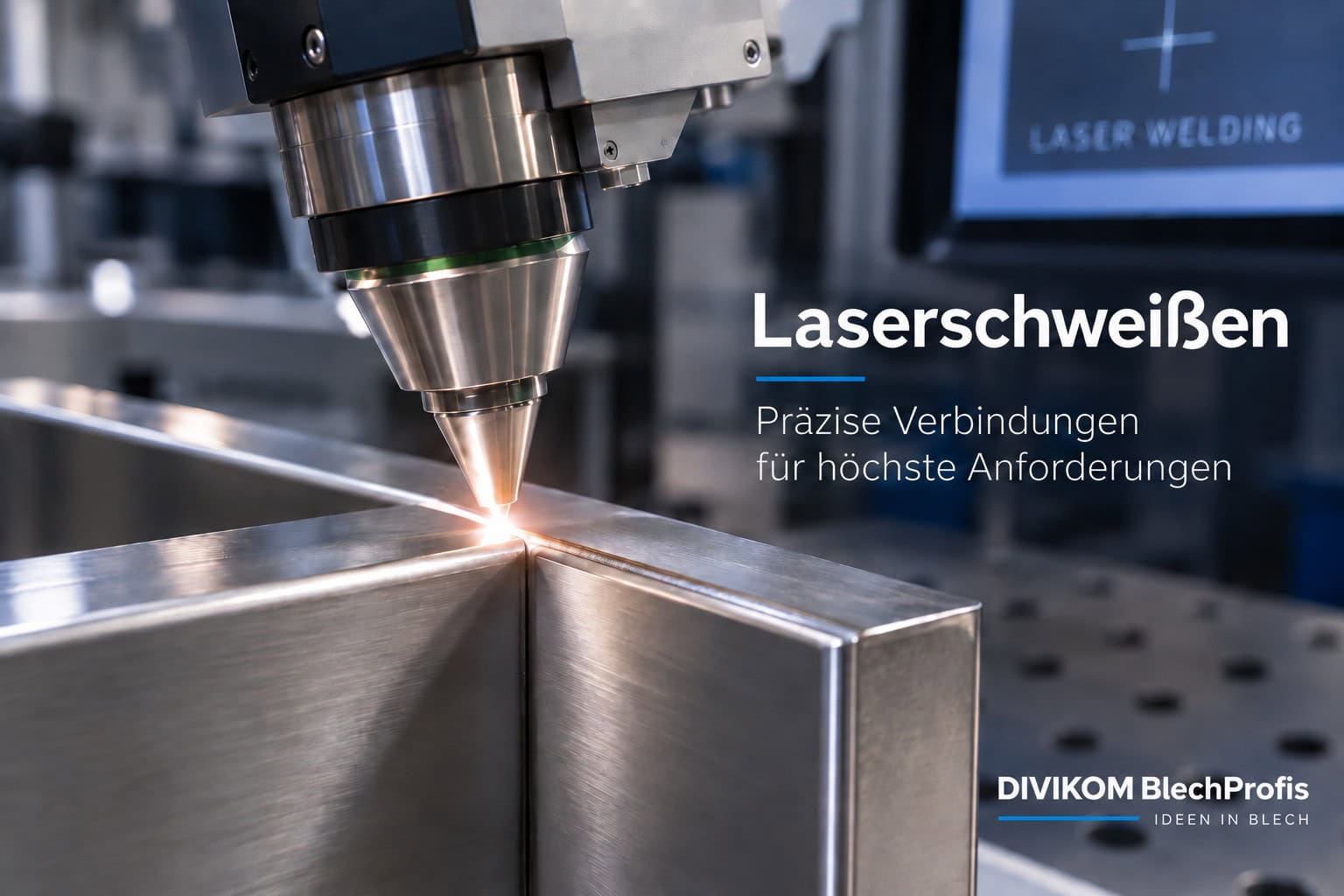
The physical basic principle of laser cutting is based on concentrated energy input. The laser heats the material locally so that it melts or vaporises. A process gas then expels the resulting molten material from the kerf. This principle is also used by TRUMPF in laser cutting .
The laser operates without mechanical tool contact. This means there is no tool wear caused by direct contact with the workpiece. In addition, mechanically induced deformation can be reduced. Processing takes place via the focused beam, whose position and direction of movement are adapted to the respective contour.
In practice, numerous materials can be processed. These include commonly used industrial metals such as Steel, stainless steel and aluminium and other non-ferrous metals. In addition, TRUMPF also lists plastics, glass, wood and ceramics as processable materials. However, the specific suitability depends on the properties of the material and the selected process conditions.
The Fraunhofer Institute for Material and Beam Technology IWS distinguishes, among other things, between laser fusion cutting and laser processes with sublimation components. In laser fusion cutting the liquid material is driven out of the kerf by a directed gas jet. Depending on the material and laser power, material thicknesses of up to 60 millimetres may be possible. However, this value is not a general limit for every 3D laser cutting system.
Technical features of 3D laser systems
Unlike systems for flat sheets, 3D laser systems are designed for processing spatial components and contours. The laser head must follow a three-dimensional cutting path and adapt its orientation to the surface of the workpiece. This makes it possible, for example, to cut openings, edge areas and other contours on already formed components.
CAD/CAM systems are typically used for two- and three-dimensional cutting contours. The specific design depends on the respective machine and software. A machining path is created from the digital geometry data and adapted to the shape of the component and the required cutting path. For complex workpieces, it is important that the laser head maintains sufficient distance from the surface and preserves the desired orientation along the contour.
Another aspect is process monitoring. The Fraunhofer Institute for Laser Technology ILT describes inline process monitoring as a way to record process parameters during laser processing in real time and use them for quality assurance to be evaluated. Such monitoring can help detect deviations in the process at an early stage and assess production quality in a traceable way.
A key distinguishing feature is that 3D laser cutting is a separating process. It must therefore not be equated with metal 3D printing, laser metal deposition or selective laser melting. In 3D laser cutting, an existing workpiece is processed and separated at defined points. The process does not build up a component layer by layer.

Areas of application in modern industry
An important field of application is the automotive industry. 3D laser cutting is used for complex body and structural parts. These include, for example, B-pillars from the hot forming process. After forming, such components already exist as spatially shaped parts. The laser can then machine the intended cut-outs, openings or edge contours.
Three-dimensional heat shield sheets are also among the applications named by TRUMPF. In such workpieces, the spatial shape is a decisive part of the design. Processing with a 3D laser system makes it possible to adapt the cutting path to the existing geometry instead of first returning the component to a flat form.
In addition, 3D laser processing can be relevant wherever complex contours are required in formed components. Suitability depends on the material, component geometry, material thickness, laser power and system configuration. Statements about specific economic efficiency or achievable accuracy must therefore always be made in relation to the respective application.
The process is not limited exclusively to flat metal sheets. In addition to steel, stainless steel and aluminium, depending on the configuration it may also be possible to process other non-ferrous metals as well as plastics, glass, wood and ceramics. The specific thermal and optical properties of each of these materials must be taken into account.
Process parameters and quality factors
Cutting capability and the result depend on various material properties and process conditions. Fraunhofer IWS cites, among other things, the absorption of the laser wavelength used, the thermal conductivity, the melting temperature and the enthalpy of fusion of the material as relevant factors. These properties influence how the material reacts to the energy input and how the melt can be removed from the kerf.
The focusing of the beam and the guidance of the process gas also affect the cutting process. In laser fusion cutting, the gas jet supports the expulsion of the molten material. The appropriate settings must be adapted to the material, material thickness and desired cut contour.
A highly focused laser beam can enable a narrow kerf and low thermal load. This makes it easier to produce complex contours. Lower thermal influence can also help reduce reworking. However, the actual result depends on the overall process design and the specific system configuration.
For three-dimensional components, spatial accessibility is also a factor. The laser head must reach the intended contour while maintaining a suitable orientation to the surface. For this reason, the component geometry, the machine's motion axes and the quality of the programmed machining path all play an important role.
Economic benefits for industrial customers
For industrial customers, one major advantage of 3D laser systems is their flexibility with spatial components. The laser does not require a mechanical cutting tool that directly contacts the contour of the workpiece. This eliminates tool-related wear. With changing geometries, processing can be adapted via digital path planning.
Non-contact processing can also help reduce distortion of the workpiece. Together with the narrow kerf and the comparatively low thermal load, this creates the conditions for producing complex contours. Whether this actually reduces reworking depends on the material, component geometry and process parameters.
Process monitoring can also make an economic contribution. If relevant process variables are recorded and evaluated during processing, quality information can be obtained directly from the manufacturing process. This can support component assessment and make deviations visible at an early stage.
However, the economic assessment should not be made in general terms. Key factors include the material, component size, cut length, contour complexity, required quality and the existing system configuration. 3D laser cutting is therefore particularly interesting when spatial components with varying or complex contours need to be processed reliably.
Conclusion
3D laser cutting is a non-contact thermal separating process for formed components and three-dimensional contours. The concentrated laser energy input locally melts or vaporises the material, while a process gas removes the melt from the kerf. The technology makes it possible to process steel, stainless steel, aluminium and other materials.
Its particular strengths lie in the processing of already formed components, the narrow kerf and the flexible adaptation to complex geometries. Applications such as hot-formed B-pillars and three-dimensional heat shield sheets demonstrate the importance of the process for modern industrial manufacturing. For reliable quality, material properties, laser parameters, process gas, component geometry and machining path must be matched to one another.
What is 3D laser cutting?
3D laser cutting is a thermal separation process in which a focused laser beam processes three-dimensional workpieces and already formed components along spatial contours. The material is locally melted or vaporised; a process gas removes the molten material from the kerf.
Which materials can be processed?
Processable materials include steel, stainless steel, aluminium and other non-ferrous metals. Depending on the process and system configuration, plastics, glass, wood and ceramics can also be processed. The specific suitability depends on the material properties and the process parameters.
What is the difference compared with 2D laser cutting?
2D laser cutting is geared towards flat workpieces and contours in one plane. By contrast, 3D laser systems can process already formed components and spatial contours. The laser head follows a three-dimensional machining path.
Which industries use this technology?
One documented application area is the automotive industry. There, 3D laser cutting is used, among other things, for complex body and structural parts such as hot-formed B-pillars. Three-dimensional heat shields are also among the applications mentioned.
What advantages does the contactless laser process offer?
The laser works without mechanical tool contact. This means there is no tool wear caused by direct contact with the workpiece. In addition, mechanical deformation can be reduced. The focused beam enables a narrow kerf and low thermal stress, which can make it easier to process complex contours.
 German
 English