
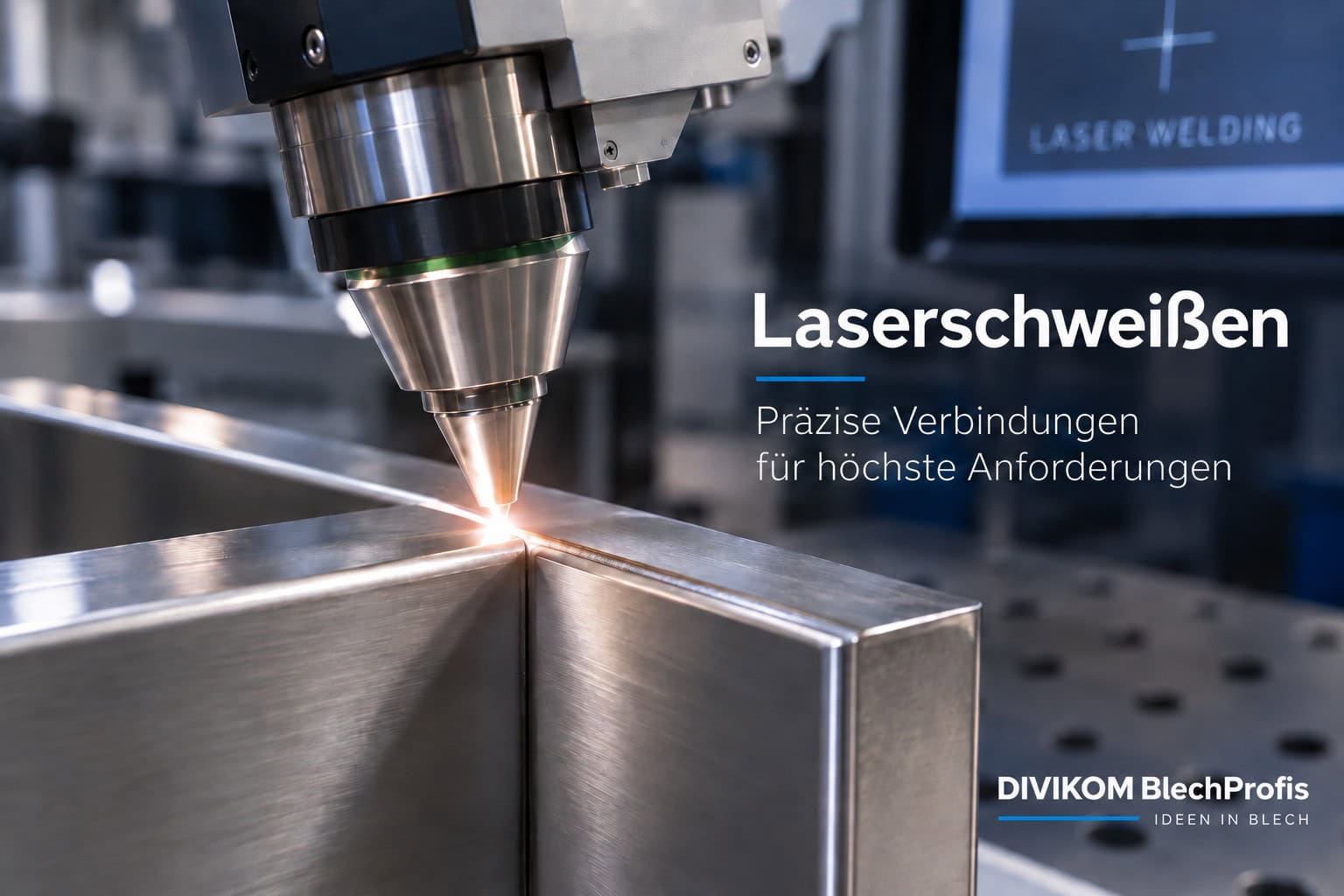
Industrial sheet metal cutting presents processing companies with fundamental decisions regarding flexibility, cutting quality and cost-effectiveness. While manual cutting is based on mechanical force transmission, laser cutting is a thermal and contactless process. In the laser fusion cutting the metal is heated locally above the melting temperature; a gas jet removes the resulting melt from the kerf (Fraunhofer IWS: Process for laser cutting). For industrial users, this difference means weighing up flexible, complex contours against simple mechanical cut-outs. The choice of process also influences subsequent work steps such as bending or Deburring.
Technical fundamentals of thermal separating processes
Thermal cutting using laser radiation differs fundamentally from mechanical cutting methods. The laser heats the metal locally, while a gas jet carries the melt out of the cutting area. As a result, the process works without direct contact between tool and workpiece. Depending on the material and laser power, material thicknesses of up to 60 millimetres are possible in laser fusion cutting. However, this value does not apply universally to every material and every system.
Modern laser systems can enable very narrow cutting zones. The Fraunhofer Institute for Production Technology and Automation IPT cites, for a described thin-sheet research process, a laser spot diameter of 35 micrometres and cutting widths of up to 20 micrometres (Fraunhofer IPT: Laser cutting). These figures relate to the process described there and cannot be automatically transferred to every laser system.
The process is particularly suitable for prototypes, small batches, highly variable geometries and shapes that cannot be punched, or can only be punched with difficulty. Nevertheless, laser cutting does not automatically lead to better results. Incorrectly selected parameters can cause burr, oxidation or changes to the geometry.

Mechanical manual methods and traditional shear cutting
In contrast to laser-based processes, manual cutting or working with sheet metal guillotines is based on mechanical force transmission. In shear cutting, the cutting quality and burr are influenced, among other things, by blade geometry, cutting clearance, sheet thickness and the bending away of the cut section. A Fraunhofer study from 1999 describes these influencing factors and the mechanical relationships (Fraunhofer publication on shear cutting).
). With thicker sheets, the cutting and pressing forces increase. Swing shear cutters are structurally particularly suitable for such requirements. Mechanical processes can therefore cause considerable tool and machine loads. For simple straight cuts, manual cutting or shear cutting remains a straightforward option. For complex contours, however, the method is less flexible than a programmable laser process.
Studies on shear cutting of stainless steel observed low cut surface quality, heavy burr formation and high tool loads. For the examined thickness range up to 1.5 millimetres, the cutting speed had only a relatively minor influence on certain geometric edge characteristics (Fraunhofer publication on stainless steel cutting).
Comparison of cut edge quality and dimensional accuracy
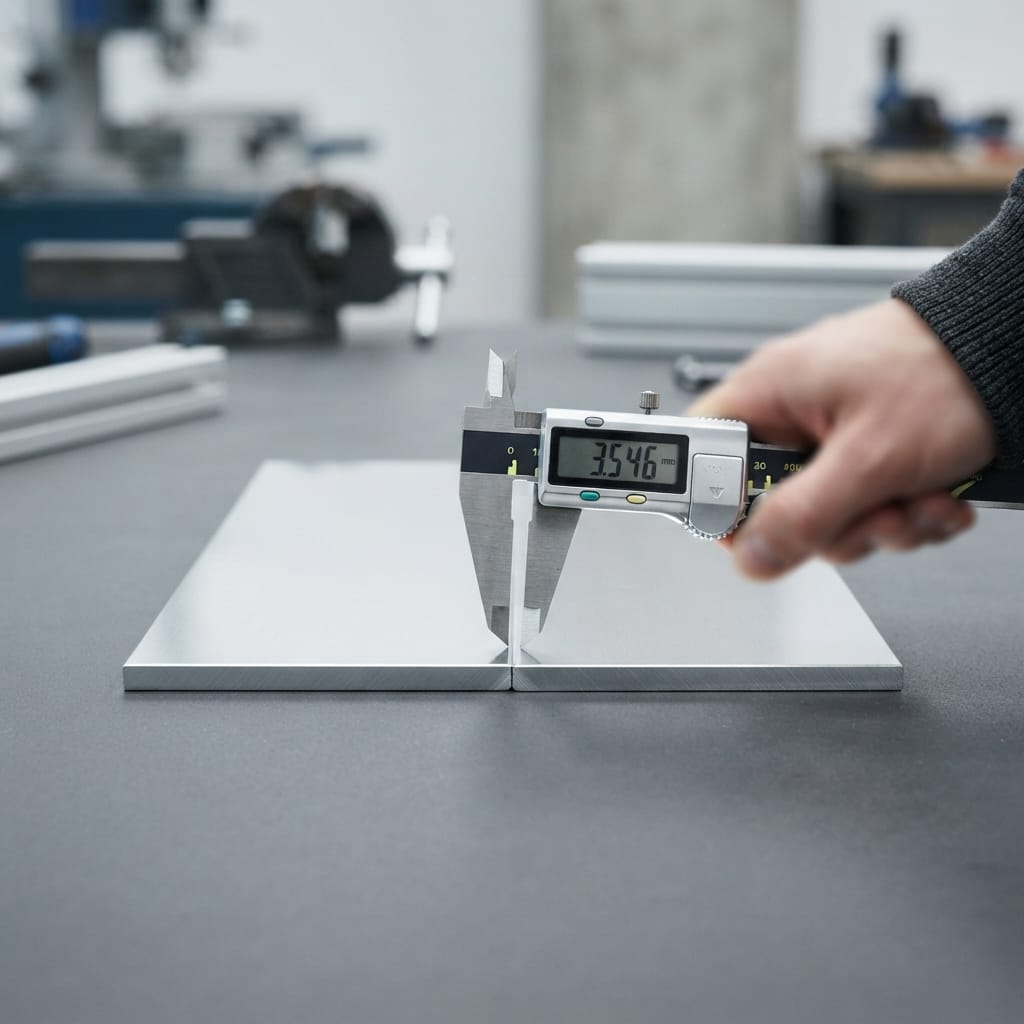
The quality of the cut edge is a key criterion for further processing. In laser fusion cutting, the cut edge can exhibit a small heat-affected zone. The use of an inert gas can also reduce oxide formation. This thermal effect clearly distinguishes the process from mechanical shear cutting (Fraunhofer IWS: Process for laser cutting).
With thin sheets, careful handling and tensioning are also required so that the material does not bend during laser cutting. The properties of the finished cut edge therefore depend not only on the process, but also on the material, sheet thickness, laser power, process gas and the selected parameters.
In mechanical cutting, cutting quality and burr are influenced, among other things, by the blade geometry, the cutting gap and the bending away of the cut-off section. An unsuitable combination of these factors can make further processing more difficult. Whether additional processing is required must therefore be decided on the basis of the actual edge quality and the requirements of the component.
Material diversity and areas of application in the manufacturing industry
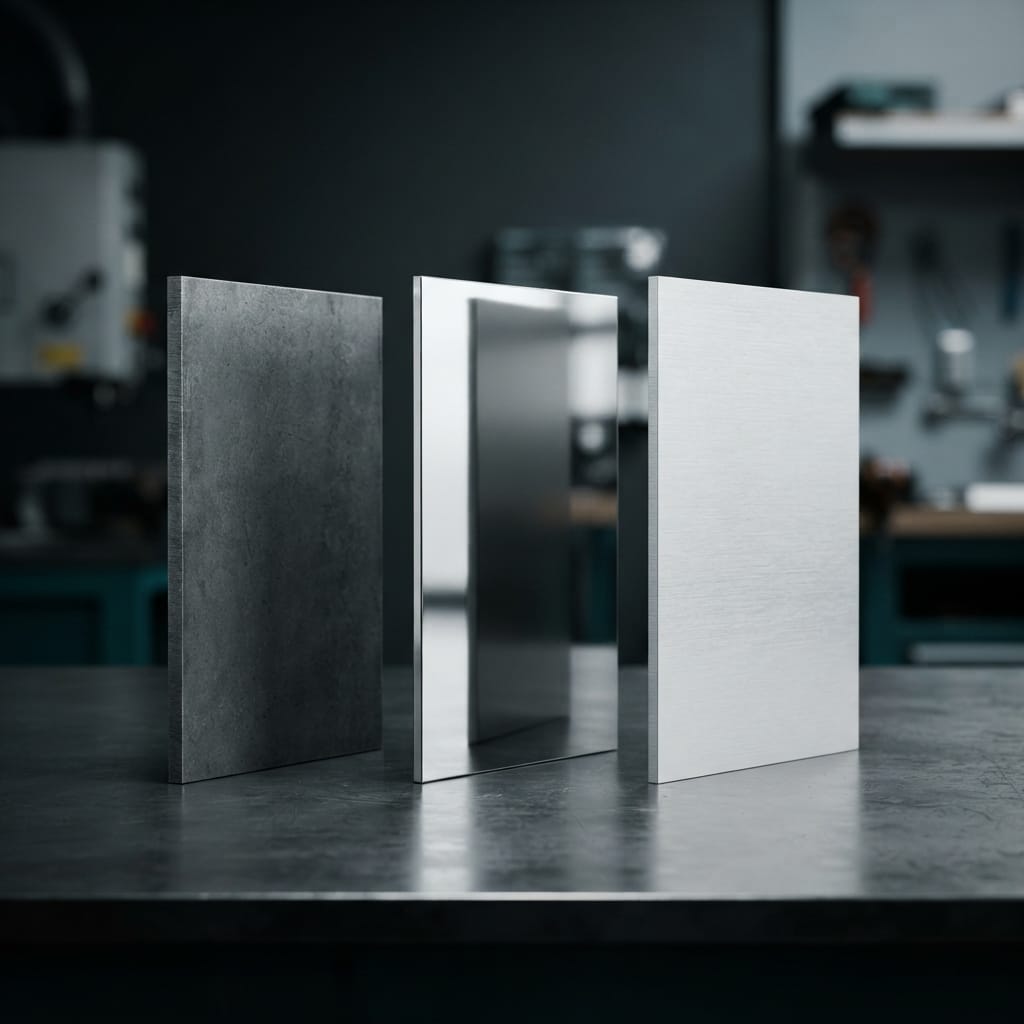
Metals react differently to thermal and mechanical influences. During laser cutting, the material, material thickness, laser power, process gas and other machine parameters must therefore be matched to one another. The results of a specific research process cannot simply be transferred to every material or every machine.
Thin sheets require careful fixing or tensioning during laser cutting so that they do not bend. At the same time, under suitable conditions, the process can enable very fine contours. It is particularly suitable for prototypes, small series, varying geometries and shapes that cannot be punched.
Hand cutting or shear cutting retains its relevance for simple cuts and situations in which no laser cutting system can be used. For complex contours and frequently changing geometries, however, laser cutting offers greater flexibility. The decision should be based on geometry, material, sheet thickness, required cutting quality and available equipment technology.
Economic efficiency and flexibility in everyday industrial use
The Economic efficiency of a manufacturing method depends on several factors. These include, among others, the required machine effort, the machining task, the batch size, the geometry and the required cutting quality. Manual cutting or shear cutting can manage simple tasks with less technical effort. For complex or frequently changing contours, laser cutting can play to its strengths in flexibility.
According to Fraunhofer IWS, laser cutting is particularly suitable for prototypes, small series, highly varying geometries and shapes that cannot be punched (Fraunhofer IWS: Process for laser cutting). The cut quality depends substantially on the process parameters. Incorrectly set parameters can cause burr, oxidation or changes in geometry (Fraunhofer IPT: Laser cutting).
A generally valid statement on unit costs or material savings is not possible without specific details of the material, sheet thickness, contour, batch size and machine. In practice, the entire process should therefore be considered: preparation, cutting, possible reworking and further processing.
Safety aspects and occupational safety in production
Occupational safety and machine protection differ between the two processes. Mechanical cutting work can pose risks through sharp cut edges and the forces acting during cutting. Laser cutting systems additionally involve requirements for laser safety and machine safety.
The Federal Institute for Occupational Safety and Health provides a checklist for laser processing machines. It expressly refers to the assessment of laser safety and machine safety of such systems (BAuA: checklist for laser processing machines). The use of a laser cutting system therefore requires an appropriate safety assessment. The specific protective measures depend on the respective system and its operation.
Conclusion
The comparison between laser cutting and hand cutting shows two different sheet metal fabrication processes. Laser cutting works thermally and without contact, and is particularly suitable for prototypes, small series, highly varying geometries and shapes that cannot be punched. Mechanical cutting or shear cutting remains an important option for simple cuts.
A decision should not be made solely on the basis of the expected precision. Material, sheet thickness, geometry, parameters, cutting quality, required reworking and safety requirements determine which process is suitable in the respective application case.
Frequently asked questions
When is hand cutting preferable to laser cutting?
Hand cutting or mechanical shear cutting can be useful for simple cuts when no complex contour is required and the technical effort of a laser cutting system does not seem necessary. The specific suitability depends on the material, sheet thickness and required cut quality.
What role does the heat-affected zone play in laser cutting?
In laser fusion cutting, the cut edge may have a small heat-affected zone. An inert gas can reduce oxide formation. The size and significance of the thermally affected zone depend, among other things, on the material, sheet thickness and process parameters.
Why is laser cutting suitable for complex geometries?
Laser cutting is particularly suitable for highly varied geometries, prototypes, small batches and shapes that cannot be punched. Its advantage lies in the flexibility of the non-contact thermal separation process. However, the achievable quality depends on the specific system and the parameters set.
Which materials are suitable for industrial laser cutting?
This cannot be answered in general terms for every material. Material, material thickness and laser power influence machinability. Process gas and other parameters must also be matched to the specific application.
What influence does sheet thickness have on the cutting process?
Sheet thickness affects both laser cutting and shear cutting. In laser fusion cutting, depending on the material and laser power, material thicknesses of up to 60 millimetres are possible; this value does not apply universally to every system. With shear cutting, cutting and stripping forces increase with thicker sheets.
Does laser cutting inevitably require rework?
No. The result depends on the material, sheet thickness, laser power, process gas and the selected parameters. Incorrectly set parameters can cause burrs, oxidation or changes in geometry. Whether rework is required must be assessed on the basis of the actual cut edge and the component requirements.
 German
 English