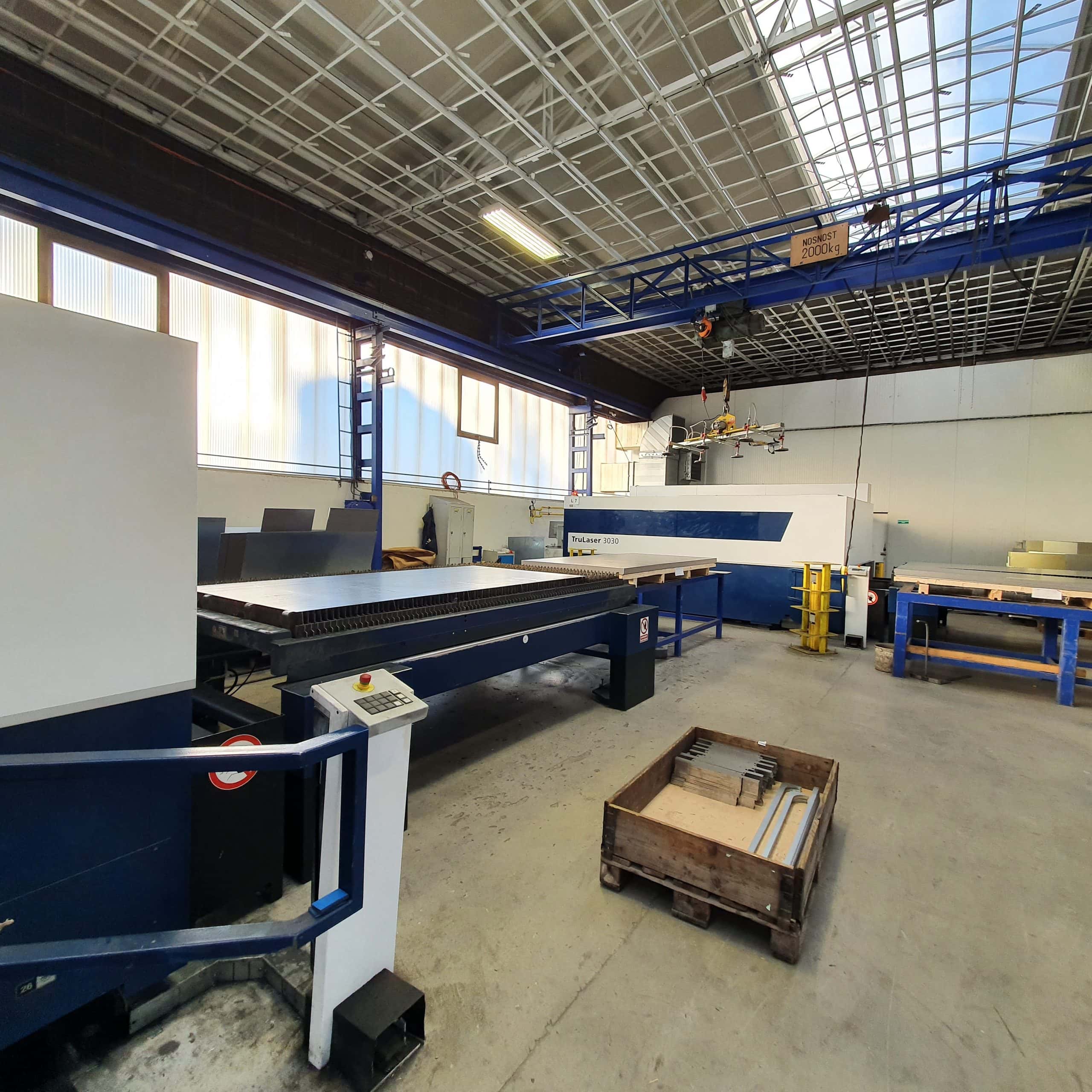
The stamping of metal parts is defined as a stamping process in which sheet metal parts are produced by selective material removal. The punching process can be roughly divided into 2 categories: Cutting and Punching. Within these two processes, deep-drawn parts are mainly produced on a press brake.
The process is carried out using a mould and a punch. The punch moulds the Shape the tray into the desired shapewhile the die contains everything needed to hold the shape of the sheet metal part. The materials for punches and dies should be selected according to material thickness, hardness and production requirements. They also depend on the sheet thickness of the component.
Stamping metal parts is the best method for producing complex-shaped sheet metal parts. The stamping process offers many advantages over other manufacturing methods, making it increasingly popular for the production of sheet metal parts. Below are some of the advantages of this process;
- Excellent surface finish of the stamped parts due to the perfect moulding
- This process enables the designers to examine different shapes of the designed components without changing the moulds
- Easy inspection of the punched holes by laser scanning or even manual scanning
- Punching does not require high pressing forces, unlike stamping, which requires high forces during the punching process. This reduces the cost of the equipment used for this process.
The quality of each stamp is determined by a number of key criteria, including
- the size/shape of the die and the punch;
the amount of force applied; - the condition of the die and the punching press (punching tools are only suitable for a certain number of "strokes" before they are too worn to produce clean punches);
- the thickness of the metal to be punched (thicker metal is more difficult to punch cleanly); and
- the type of metal to be punched (harder Metals are more difficult to punch).
When making a round hole, for example, it is often recommended that the smallest diameter of the hole should be greater than or equal to the metal thickness. However, in the case of particularly resistant metal alloys, the hole may need to be even larger than this general recommendation.
If you have already designed a sheet metal part and are looking for a punching service provider who can punch the part, we have a solution for you. You can send us your drawing so that we can process the design for you. We are here for you and offer technical advice and free quotes on request!


 German
 English