
Definition of fusion cutting
Fusion cutting is a thermal cutting process in which materials are separated by melting. This process is mainly used in metal processing to create precise cuts in various metals. The process utilises a heat source that heats the material to its melting point so that it can be separated.
Historical overview
Fusion cutting has its roots in the early industrial revolution, when the demand for more efficient and precise cutting techniques increased. With the development of more powerful energy sources and improvements in materials science, fusion cutting has become a key technology in modern manufacturing.
Significance and application in modern industry
In today's industry, fusion cutting is essential for the production of complex components and structures. It is widely used in the automotive industry, aerospace, construction and many other sectors. Thanks to its precision and efficiency, fusion cutting makes a significant contribution to increasing productivity and improving quality.
Basic principles of fusion cutting
Physical and chemical principles
Fusion cutting is based on the principle that materials melt at high temperatures and can therefore be separated by a concentrated heat source. The heat source can be generated by various methods, including Lasers, plasma beams and electron beams. The choice of heat source depends on the specific requirements of the cutting process and the material to be processed.
Comparison with other cutting methods
Compared to mechanical cutting methods, such as milling or turning, fusion cutting offers greater precision and less material waste. It can also cut complex shapes and contours that are difficult to achieve with mechanical methods. Compared to other thermal processes, such as flame cutting, fusion cutting often offers better surface quality and less thermal distortion.
Advantages and disadvantages of fusion cutting
The advantages of fusion cutting include the high cutting speed, the ability to cut thick materials and the excellent cutting quality. Disadvantages can include the high initial cost of the equipment and the need for special protective measures for operator safety.
Technologies and machines
Types of fusion cutting machines
There are various types of fusion cutting machines that differ in terms of their technology and area of application. The most common include laser cutting machines, plasma cutting machines and electron beam cutting machines. Each of these machines has its own advantages and disadvantages, depending on the specific requirements of the cutting process.
Technological advances and innovations
In recent years, technological advances have significantly improved the efficiency and precision of fusion cutting. Modern machines are equipped with advanced control systems and sensors that enable precise monitoring and control of the cutting process. Innovations such as the integration of AI and machine learning contribute to the further optimisation and automation of fusion cutting.
Maintenance and care of fusion cutting machines
Regular maintenance and care of fusion cutting machines is crucial for their long-term performance and reliability. This includes regular cleaning, inspection and calibration of the machine components as well as the replacement of worn parts. Preventive maintenance measures can avoid expensive downtime and repairs.
Materials and their suitability
Suitable materials for fusion cutting
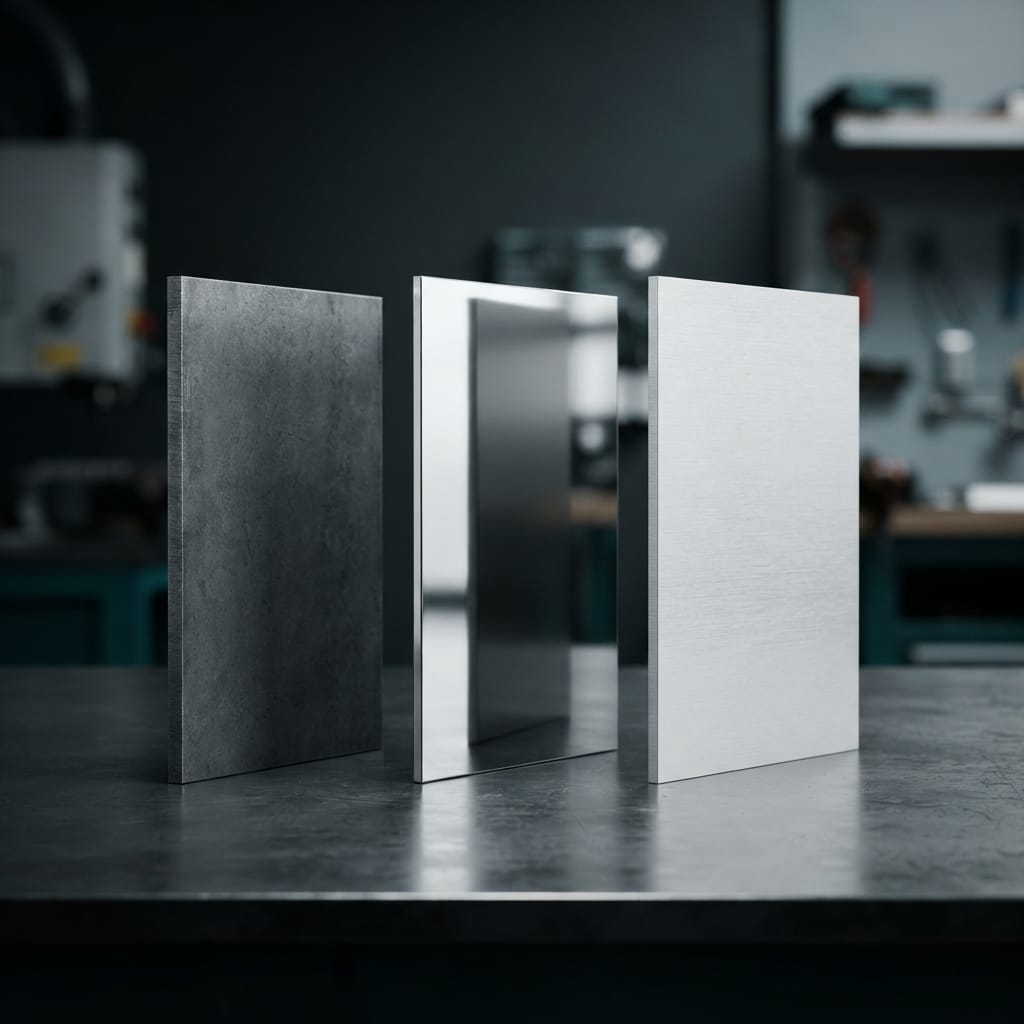
Fusion cutting is suitable for a wide range of materials, including steel, stainless steel, aluminium, copper and titanium. Each material requires specific settings and adjustments in the cutting process to achieve optimal results. The choice of material depends on the requirements of the application and the desired properties of the end product.
Influence of the material properties on the cutting process
The material properties, such as melting point, thermal conductivity and density, have a significant influence on the fusion cutting process. Materials with a high melting point require higher temperatures and more powerful heat sources, while materials with high thermal conductivity require efficient heat dissipation in order to avoid deformation.
Material preparation and post-treatment
Careful material preparation is necessary before fusion cutting to ensure a consistent cut quality. This may include cleaning the surface, removing oxidation and applying special coatings. After cutting, additional treatments such as grinding, polishing or heat treatment may be required to achieve the desired properties of the final product.

Areas of application for fusion cutting
Metal processing and manufacturing
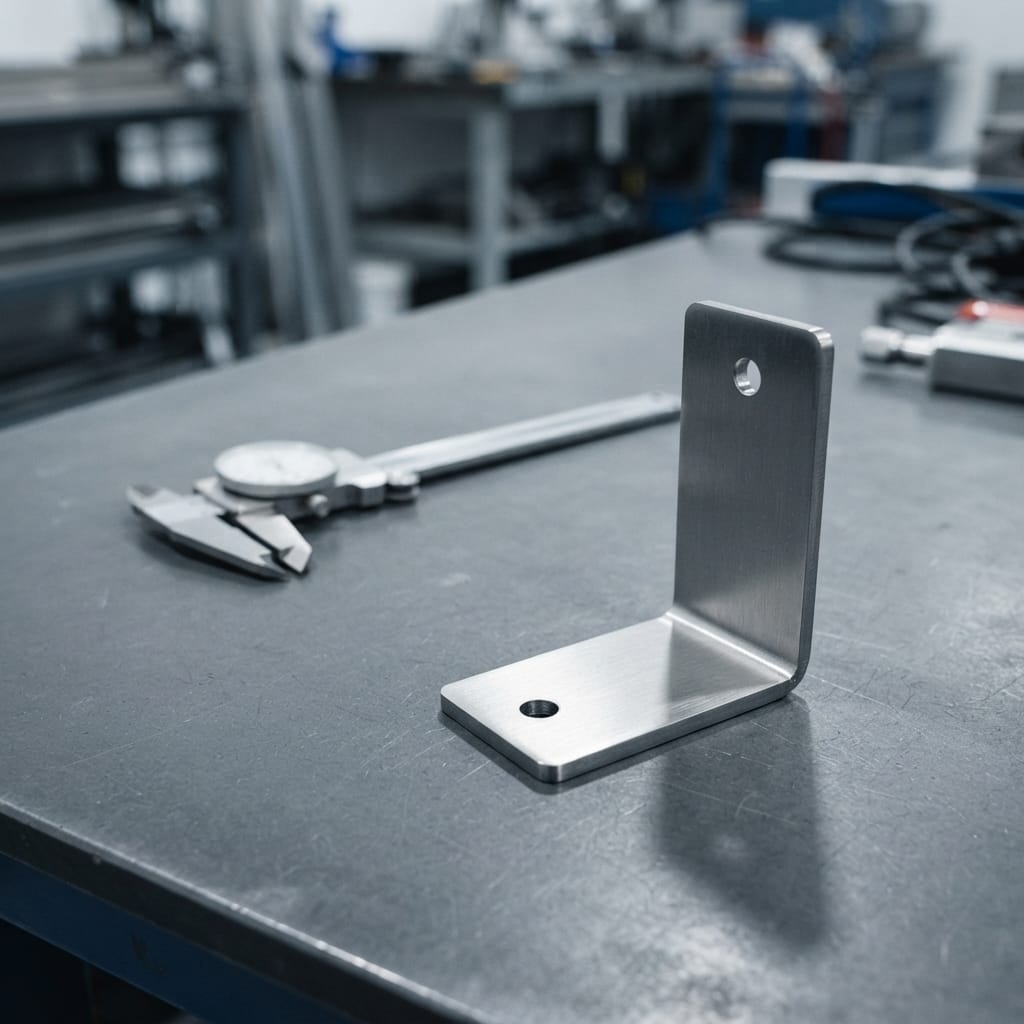
In metal processing and manufacturing, fusion cutting is a key technology for the production of precise and high-quality components. It is used for the Sheet metal cuttingThe process is used for the production of aluminium sheets, pipes and profiles in various sizes and shapes. Thanks to the high precision and efficiency of fusion cutting, production processes can be optimised and material utilisation maximised.
Automotive industry
In the automotive industry, fusion cutting plays an important role in the production of body parts, chassis and engine components. The ability to precisely cut complex shapes and contours enables the production of lightweight yet stable components that contribute to improving vehicle performance and safety.
Aerospace
The aerospace industry places particularly high demands on the precision and quality of components. Fusion cutting enables the production of high-precision and resilient components that can withstand the extreme conditions in the aerospace industry. By using advanced cutting technologies, weight and material costs can be reduced without compromising on safety and performance.
Civil engineering and architecture
In construction and architecture, fusion cutting is used to produce complex structures and design elements. It enables the precise and efficient machining of metals used in the construction of buildings, bridges and other infrastructure projects. The ability to create detailed and customised cuts allows architects and engineers to realise innovative and aesthetically pleasing designs.
Process parameters and their optimisation
Important process parameters (e.g. temperature, pressure)
The most important process parameters in fusion cutting include temperature, pressure and cutting speed. The correct setting of these parameters is crucial for the quality of the cut and the efficiency of the process. Too low a temperature can lead to incomplete cuts, while too high a temperature can damage the material and lead to undesirable deformations.
Methods for process optimisation
There are various methods for optimising the fusion cutting process, including the use of advanced control systems, continuous monitoring of the Process parameters and implementation regular maintenance measures. By implementing these methods, cutting quality can be improved, production costs reduced and the service life of the machines extended.
Quality control and assurance
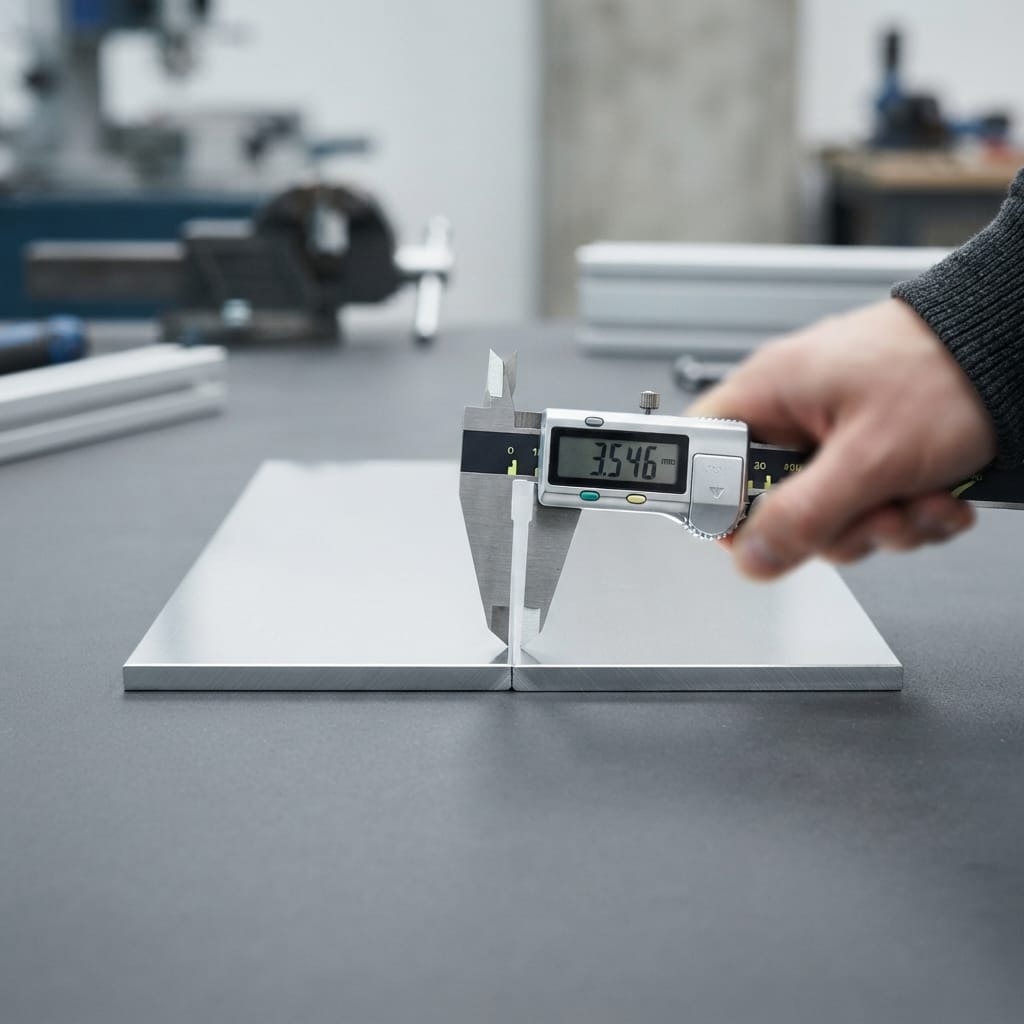
Quality control and assurance are crucial aspects of the fusion cutting process. This includes regularly checking cut quality, analysing samples and carrying out tests to ensure that products meet the desired specifications. By implementing strict quality control measures, defects can be recognised and corrected at an early stage, improving the overall quality and reliability of the products.
Safety measures for fusion cutting
Protective clothing and equipment
The use of suitable protective clothing and equipment is essential for fusion cutting to ensure the safety of the operator. This includes safety goggles, heat-resistant gloves, face shields and protective suits. The right equipment protects against burns, eye damage and other injuries that can be caused by the high temperatures and intense light rays of the fusion cutting process.
Safety guidelines and regulations
There are numerous safety guidelines and regulations that must be observed during fusion cutting. These include proper handling of the machines, maintaining safe distances and regular operator training. By adhering to these guidelines, accidents and injuries can be avoided and a safe working environment can be ensured.
Accident prevention and emergency measures
Accident prevention and the implementation of emergency measures are key aspects of the safety strategy for fusion cutting. This includes identifying potential sources of danger, carrying out regular safety inspections and training employees in first aid and emergency procedures. Serious accidents and injuries can be avoided by taking preventative measures and reacting quickly in an emergency.
Environmental aspects of fusion cutting
Emissions and waste products
Melt cutting can lead to emissions and waste products that can have a negative impact on the environment. These include fumes, gases and metallic residues. Minimising these emissions and properly disposing of the waste products are crucial to reducing the environmental impact.
Measures to reduce environmental influences
There are various measures to reduce the environmental impact of fusion cutting, including the use of low-emission technologies, the implementation of exhaust gas purification systems and the optimisation of material use. By implementing these measures, the environmental impact can be reduced and the sustainability of the production process improved.
Recycling and reuse
The recycling and reuse of materials are important aspects of the fusion cutting process. By recycling metal residues and other waste products, resources can be conserved and the amount of waste reduced. This contributes to the sustainability and cost-effectiveness of fusion cutting.
The future of fusion cutting
Trends and future developments
The future of fusion cutting will be characterised by technological innovations and increasing automation. Trends such as the integration of AI and machine learning, the development of new cutting technologies and the improvement of energy efficiency will continue to drive the industry forward and open up new opportunities.
Potential of new technologies
New technologies such as additive manufacturing, nanotechnology and the use of renewable energies have the potential to fundamentally change fusion cutting. These technologies can improve the precision and Improve the efficiency of the cutting process and develop new applications and markets.
Market development and profitability
The market development and profitability of fusion cutting are influenced by various factors, including the demand for high-quality and precise components, the availability of raw materials and the cost of energy and equipment. By continuously improving the technology and adapting to market requirements, fusion cutting can further strengthen its position as a key technology in modern industry.
FAQ
What is fusion cutting?
Fusion cutting is a thermal separation process in which materials are separated by melting.
Which materials can be processed with fusion cutting?
Fusion cutting is suitable for a wide range of materials, including steel, stainless steel, aluminium and titanium.
What safety measures must be observed when fusion cutting?
Protective clothing, safety guidelines and emergency measures are essential for fusion cutting in order to avoid accidents and injuries.
How do material properties influence the fusion cutting process?
Properties such as melting point and thermal conductivity influence the required temperatures and the efficiency of the cutting process.
What technological advances have been made in fusion cutting?
Advances such as the integration of AI, new cutting technologies and improved control systems have significantly improved the efficiency and precision of fusion cutting.

 German
 English