
Introduction to the surface treatment of metals
The surface treatment of metals plays a crucial role in numerous industrial sectors, from the automotive industry to aerospace and electronics. It is used to improve the properties of metals, extend their service life and make them usable for specific applications. Various methods are used, including mechanical, chemical and thermal processes.
The objectives of surface treatment are manifold. They range from improving corrosion resistance and increasing hardness and wear resistance to aesthetic refinement. Particularly in industries where metals are exposed to extreme conditions, such as the aerospace industry, surface treatment is of particular importance. Careful surface treatment essential.
A deeper understanding of the various methods and their possible applications is crucial in order to achieve the best possible results. In this article, the most important surface treatment methods are presented in detail and their application in the industry is highlighted.
Basics of metalworking
Metals are key materials in many industrial applications due to their unique properties such as strength, conductivity and formability. However, untreated metals often have weaknesses that can be compensated for by targeted surface treatments. For example, the susceptibility to corrosion of Steel with a suitable coating be significantly reduced.
Different metals react differently to surface treatments. Aluminium, a light and corrosion-resistant metal, requires different treatment processes than steel or copper, for example. It is therefore important to consider the specific properties of the metal to be treated in order to select the optimum process.
Untreated metals can rust, oxidise or wear quickly due to mechanical stress. Surface treatments can minimise these risks and extend the service life of the metals. In addition, treated metals can fulfil specific requirements that are not given in their raw form, such as increased conductivity or improved heat resistance.
Important methods of surface treatment
The surface treatment of metals can be roughly divided into three main categories: mechanical, chemical and thermal processes. Each of these categories includes several specific methods, each of which has its own advantages and disadvantages.
Mechanical processes involve physically working the metal surface to remove imperfections and create a smoother, more even surface. Typical mechanical processes include grinding, polishing and blasting. These methods are particularly effective in removing unwanted burrs and preparing the surface for subsequent coatings.
Chemical processes utilise reactions between the metal surface and various chemicals to change the properties of the metal. Pickling, passivation and anodising are common chemical methods that are used to improve corrosion resistance, for example.
Thermal processes involve heating the metal to change its microstructure. This can increase the hardness and strength and make the metal more resistant to mechanical stress. Typical thermal processes are annealing, hardening and coating.
Mechanical processes in detail
Grinding is one of the most frequently used mechanical processes for the surface treatment of metals. It involves the removal of material using abrasives to achieve a smooth surface. Various grinding techniques can be used, depending on the desired surface quality and the type of metal. Grinding is particularly useful for removing surface irregularities and preparing the metal for subsequent treatment processes.
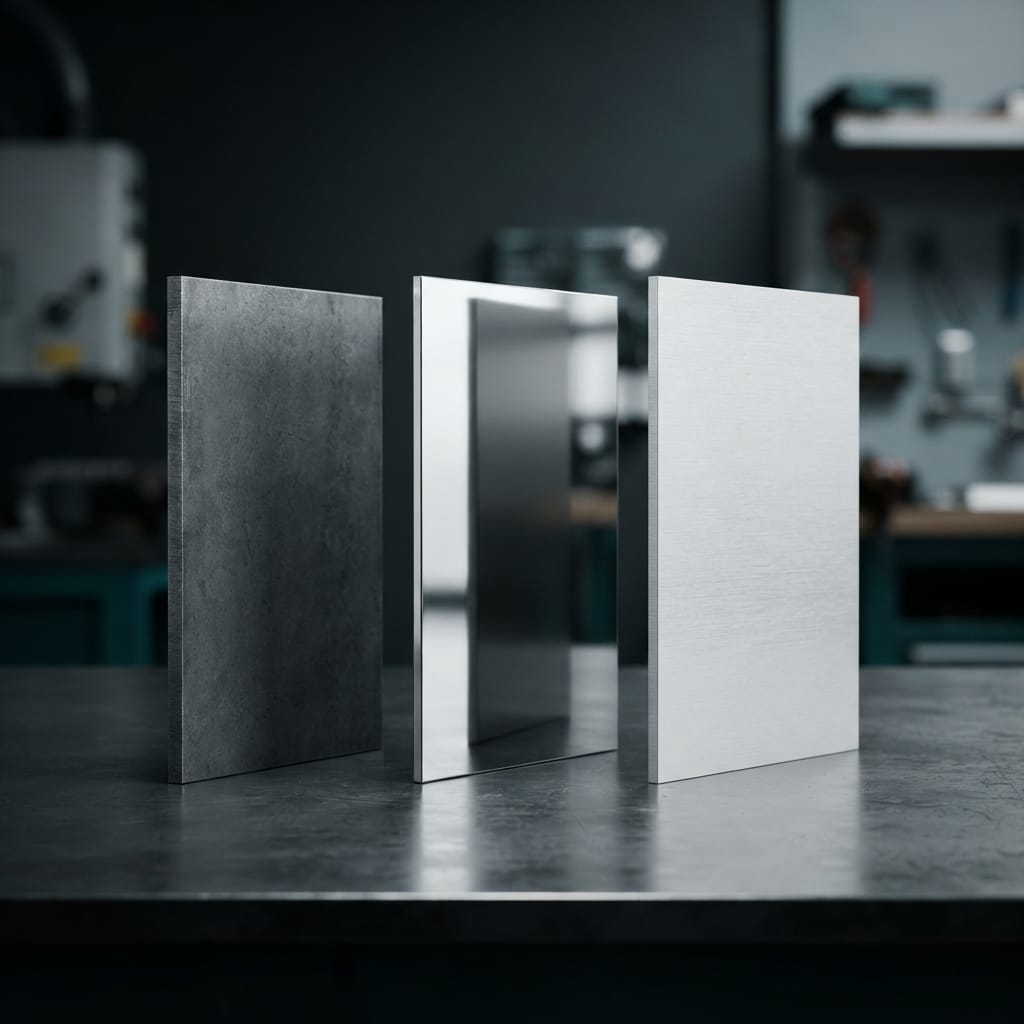
Polishing is another important mechanical process that takes place in several stages, starting with coarse sanding and ending with a fine polish. The aim is to create a high-gloss, mirror-like surface, which is often required in decorative applications. Polished metals are often found in the automotive and furniture industries, where aesthetics play an important role.
Shot blasting, which also includes sandblasting and shot peening, utilises the force of fast-moving particles to clean and roughen the metal surface. This process is particularly effective at removing rust, old coatings and contaminants. Blasting is often used as a preparation for further coating processes as it improves the adhesion of the coating to the metal surface.
Chemical processes in detail
Pickling is a chemical process that is used to remove oxide layers and impurities from the metal surface. The metal is immersed in an acid solution, which dissolves the unwanted layers and exposes the pure metal underneath. Pickling is particularly widespread in stainless steel processing as it leaves a shiny, clean surface.
Passivation is another chemical process that increases the corrosion resistance of metals. Treatment with an oxidising agent creates a thin, stable oxide layer on the metal surface, which protects the metal from further chemical reactions. Passivation is particularly important for metals such as stainless steel that are used in corrosive environments.
Anodising is an electrochemical process that is mainly used for aluminium. It creates a thick oxide layer on the metal surface, which not only protects against corrosion but can also colour the surface. Anodised aluminium parts are popular in the electronics and furniture industries, where they are valued for their aesthetics as well as their functionality.
Thermal processes in detail
Annealing is a thermal process that heats the metal to high temperatures and then slowly cools it to relieve internal stresses and increase ductility. This method is often used with steels to improve machinability and minimise the risk of cracks during further processing.
Hardening is another important thermal process that increases the strength and hardness of metals. There are various hardening methods, including surface and volume hardening. In surface hardening, only the outer layer of the metal is hardened, resulting in a hard, wear-resistant surface, while the interior remains tough and ductile.
Coating is a thermal process in which a protective or decorative layer is applied to the metal surface. The Powder coating is one of the most common methods and is often used for steel and aluminium parts. A powdered material is applied to the metal surface and then heated so that the powder melts and forms an even, durable coating.
Surface treatment processes in the industry
In the automotive industry, surface treatments are crucial for protecting metals from corrosion and extending the service life of components. For example, car body parts are often galvanised or powder-coated to protect them against environmental influences.
In the aerospace industry, the requirements for surface treatments are particularly high, as the materials have to withstand extreme conditions. Anodising and special coatings are often used here to protect aluminium parts against corrosion and save weight at the same time.
In the construction industry, surface treatment is used to protect metal structures against the effects of weathering. Hot-dip galvanising is a common method in which steel parts are coated with a layer of zinc to prevent corrosion. This method is particularly common in bridge and steel construction projects.
In the electronics industry, surface treatment plays an important role in the production of printed circuit boards and other electronic components. Processes such as electroplating are used to create conductive layers on metals, which are essential for the functionality of the components.

Tools and machines for surface treatment
Various grinding machines are available for mechanical surface treatment, which vary depending on the application and type of metal. Belt grinders, angle grinders and surface grinders are just a few examples. These machines are designed to process large areas evenly and are widely used in metal processing.
Polishing machines are generally designed for the fine finishing of metal surfaces. They work with special polishing discs and pastes that make it possible to create a mirror-like surface. These machines are often used in jewellery production and in the automotive industry.
Blasting machines, such as sandblasting or shot blasting machines, are essential for cleaning and roughening metal surfaces. These machines use compressed air to shoot particles onto the metal surface at high speed, which enables efficient removal of rust, paint and other contaminants.
Surface treatment and corrosion protection
Corrosion protection is a key aspect in the surface treatment of metals. Without suitable measures, metals can quickly rust or be damaged by other chemical reactions, which considerably limits their usability.
One of the most common methods of corrosion protection is the coating of metals with a protective layer. This can be done by electroplating, powder coating or using special paints and varnishes. These layers act as a barrier between the metal and the environment, preventing corrosion.
Electroplating is particularly effective as it produces a very uniform and durable coating that can withstand even extreme conditions. Galvanised parts can be found in many industries, from automotive to construction.
Environmental aspects of surface treatment
Environmental aspects are playing an increasingly important role in the surface treatment of metals. Many traditional processes use chemicals that can be harmful to the environment if they are not disposed of correctly. Therefore, more environmentally friendly methods and materials are becoming increasingly important.
Recycling is an important aspect of surface treatment. Metals can often be recycled and reused after their treatment and utilisation, which reduces the need for new raw materials and minimises the environmental impact.
The correct disposal of chemicals and waste produced during surface treatment is also of great importance. There are strict regulations governing how these substances must be handled and disposed of in order to avoid environmental pollution.
Safety aspects of surface treatment
Safety in the surface treatment of metals is a key issue, especially as many processes involve the use of hazardous chemicals and machinery. Workers must wear appropriate protective equipment to protect themselves from the risks.
Protective measures such as gloves, respirators and safety goggles are essential in many cases. In addition, all machines should be equipped with safety devices to prevent accidents.
Handling hazardous substances, such as acids during pickling or solvents during electroplating, requires special precautions. Compliance with safety regulations is crucial in order to protect both the health of workers and the environment.
Quality control during surface treatment
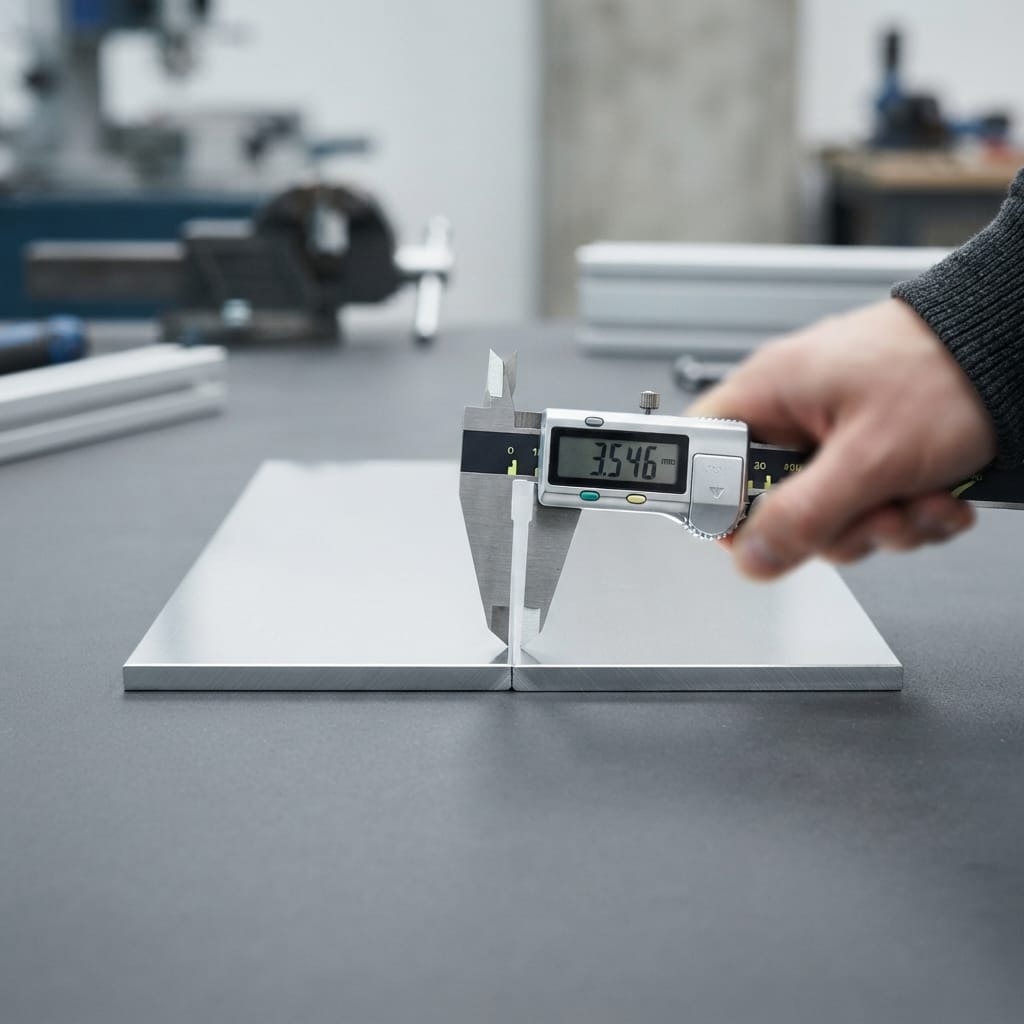
Thorough quality control is essential to ensure that the surface treatment meets the requirements. There are various test methods to check the quality of the treated surface, including visual inspections, coating thickness measurements and corrosion tests.
Standards and certifications play an important role in quality control. Many industries have specific requirements that must be met to ensure that the treated metals are fit for purpose.
Fault detection is another important aspect of quality control. Regular inspections allow problems to be recognised and rectified at an early stage before they cause major damage.
The future of surface treatment
The future of surface treatment will be strongly characterised by new technologies and developments in materials science. Nanotechnology, for example, offers opportunities to create extremely thin yet effective protective coatings.
Digitalisation will also play an important role, particularly in the automation of processes and the improvement of quality control. Automated systems can carry out precise surface treatments and increase efficiency at the same time.
Sustainability will also be a key trend in the future of surface treatment. Environmentally friendly processes and materials are becoming increasingly important, and the industry is expected to move further in this direction in the coming years.
Cost factors for surface treatment
The cost of surface treatment of metals can vary greatly depending on the process used, the material being treated and the specific requirements of the project. Material costs are often one of the largest items, especially when expensive chemicals or specialised coating materials are required.
Operating costs, including the cost of energy, machinery and labour, are also an important factor. Efficient processes that minimise material consumption and increase production speed can lead to considerable savings here.
The choice of process has a direct influence on the overall costs. Complex processes such as anodising or special thermal coatings are generally more expensive than simpler mechanical or chemical methods. A careful cost-benefit analysis is therefore essential to determine the optimum process.
Comparison of the different surface treatment processes
Choosing the right surface treatment process depends on various factors, including the specific requirements of the metal, the desired surface quality and the cost. Mechanical processes such as grinding and polishing are ideal for creating a smooth surface and removing imperfections, while chemical processes such as pickling and passivation can improve corrosion resistance.
Thermal processes offer the advantage of changing the microstructure of the metal and increasing its strength and hardness. However, they are often more expensive and require special equipment.
The advantages and disadvantages of the various methods should be carefully weighed up in order to achieve the best result. Mechanical processes are generally faster and cheaper, but do not offer the same protection against corrosion as chemical or thermal treatments.
Factors that influence the choice of surface treatment process
The choice of surface treatment process is determined by a variety of factors. Material properties play a key role here, as different metals have different treatment requirements. Aluminium, for example, is well suited to anodising, while steel is often electroplated.
The end use is also a decisive factor. Metals used in corrosive environments require a stronger surface treatment than those used in less demanding conditions. The right treatment can significantly extend the life of the metal and improve its functionality.
A cost-benefit analysis helps to determine the optimum process. It takes into account both the financial and technical requirements of the project and ensures that the chosen method delivers the best results.
Maintenance and care of surface-treated metals
Even after surface treatment, regular maintenance and care is essential to ensure the longevity of the metals. Regular inspections can indicate signs of wear at an early stage and enable measures to be taken in good time.
Care instructions for different coatings should be strictly followed. For example, a powder-coated surface requires different care than a galvanised one. Choosing the right cleaning agents and methods is crucial to avoid damaging the protective layer.
Tips for extending the service life include avoiding mechanical damage, protecting against extreme environmental influences and regularly refreshing the protective coatings. Careful maintenance can significantly extend the service life of the treated metals and preserve their functionality.
Case studies of successful surface treatments
Case studies provide valuable insights into the practice of surface treatment and show how different methods have been successfully applied. In the automotive industry, for example, the use of a special electroplating technique led to a significant increase in the service life of car body parts.
In the aerospace industry, the use of an advanced anodising method has increased the corrosion resistance of aluminium parts and reduced their weight at the same time. This led to an improvement in the overall performance of the aircraft.
Detailed analyses of before and after results show how effective surface treatment can be and what benefits it offers. These case studies serve as a valuable reference for future projects and help to select the best possible processes.
Conclusions and outlook
The surface treatment of metals is a complex and versatile field that plays a central role in many industries. The right choice of treatment processes can improve the properties of metals in a targeted manner and extend their service life.
Advancing technology and the increasing importance of sustainability will have a significant impact on the future of surface treatment. It is to be expected that new processes and materials will be developed that are more efficient and environmentally friendly.
The methods and processes presented here provide a comprehensive overview of the possibilities for the surface treatment of metals. They are a valuable resource for professionals looking for optimal solutions for their specific requirements.
FAQ
What are the advantages of anodising aluminium?
Anodising increases corrosion resistance, improves hardness and enables decorative colouring.
How can the service life of coated metals be extended?
Through regular maintenance, suitable cleaning agents and protection against mechanical damage.
Why is electroplating a common process in the industry?
Galvanisation provides a strong, even protective layer that protects against corrosion and extends the service life of metal parts.
What role does blasting play in surface treatment?
Blasting removes impurities and prepares the metal surface for subsequent coatings, which improves adhesion.
What is the difference between mechanical and chemical surface treatment processes?
Mechanical processes physically treat the surface, while chemical processes utilise chemical reactions to change the properties of the metal.
 German
 English