
Modern industrial manufacturing processes demand constant repeat accuracy and highly efficient processes, which is why automated bending systems are gaining significant importance in metal processing. This technology independently handles the manipulation, precise positioning, and actual shaping of metals, thereby minimizing manual interventions and promoting stable workflows. Autonomous and automated bending concepts provide reliable process parameters according to technical analyses.. For industries such as mechanical engineering or the automotive industry, this approach offers extensive opportunities to economically implement complex geometries. When realizing demanding components, it becomes evident that DIVIKOM BlechProfis ensures precise forming processes through modern machine equipment. To understand the specific requirements of modern production chains, it is worthwhile to take a detailed look at the technological foundations, the technological hurdles, and the process engineering nuances that underpin these modern manufacturing methods.
Technical Foundations of Modern Sheet Metal Forming
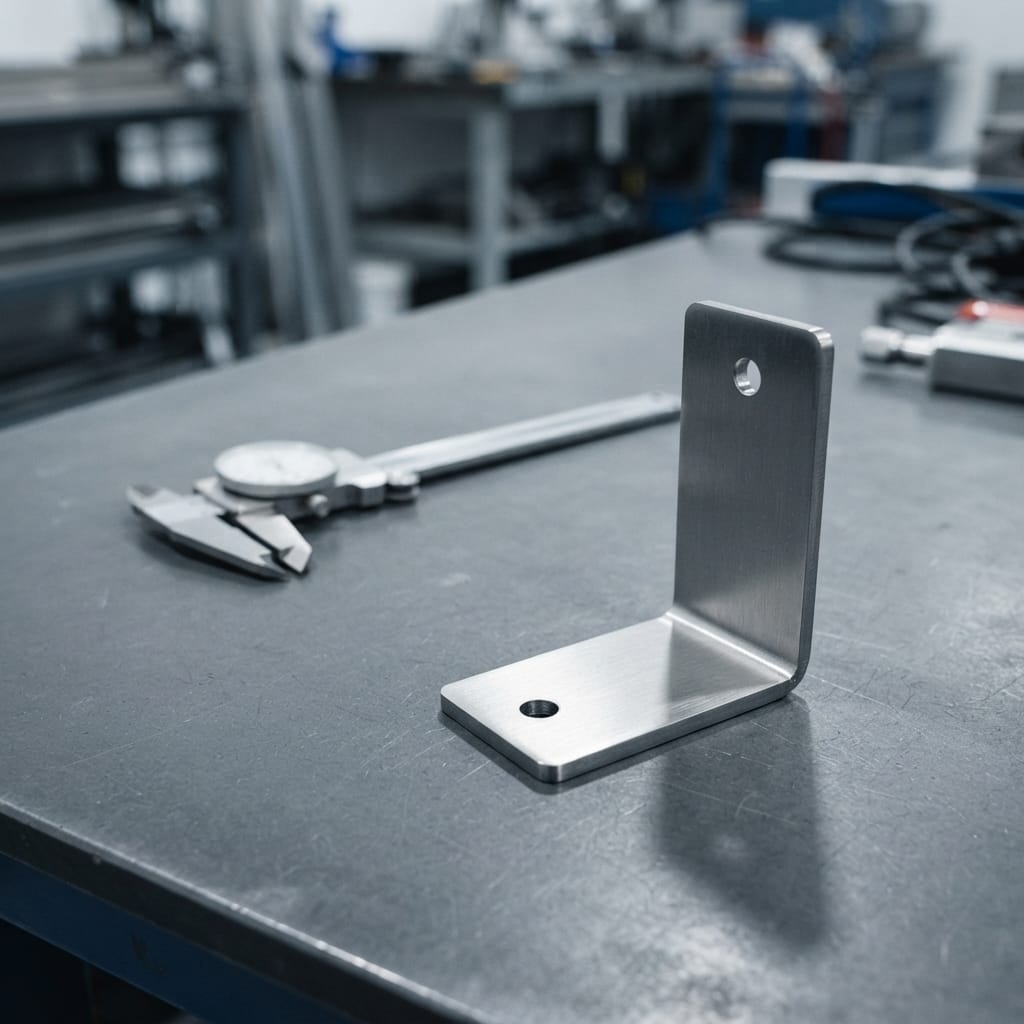
The mechanical processing of flat material has drastically changed over the past decades. Previously, manufacturing relied heavily on manual skill and conventional tools. Today, companies utilize highly developed systems that seamlessly integrate bending, punching, and CNC milling. The actual forming relies on the physical laws of elastic-plastic deformation. When a workpiece is formed, the material slightly rebounds after being relieved. This effect must be mathematically captured in advance and factored into programming to achieve precise angles.
In industrial practice, CAD data is directly fed into the control software of the machines. Intelligent algorithms automatically determine the optimal bending sequence, the required tools, and the appropriate gripping points for the handling devices. Scientific papers on automated process planning describe this digital workflow in detail.. A well-thought-out sequence of individual forming steps is essential, as an inappropriate order can lead to collisions with the tool or unwanted stresses in the component. Especially with complex geometries featuring multiple arms, the right strategy determines the dimensional accuracy of the final product.
Process Safety and Challenges in Series Production
The economic batch size heavily depends on setup time and process stability. In mass production, encyclopedic technical articles explain the fundamental principles of industrial mass production. through standardized processes and short cycle times. Nevertheless, fluctuations occur repeatedly in real production. Batch-dependent tolerances in sheet thickness, different tensile strengths of the material, or thermal influences affect the bending result. Even the most modern systems must compensate for these physical variances to prevent scrap.
Scientific studies and research projects in the field of forming technology are intensively dedicated to the question of how such deviations can be minimized. Current findings on process control in sheet metal forming are documented in the research database GEPRIS.. A central solution approach is to control the physical influences through adaptive control loops. When the material properties change, the control system adjusts the pressing force or the travel path accordingly. This supports consistent product quality but requires that the machine's sensors operate in real-time and process the measurement data without errors.

Integration of measurement technology and digital twin.
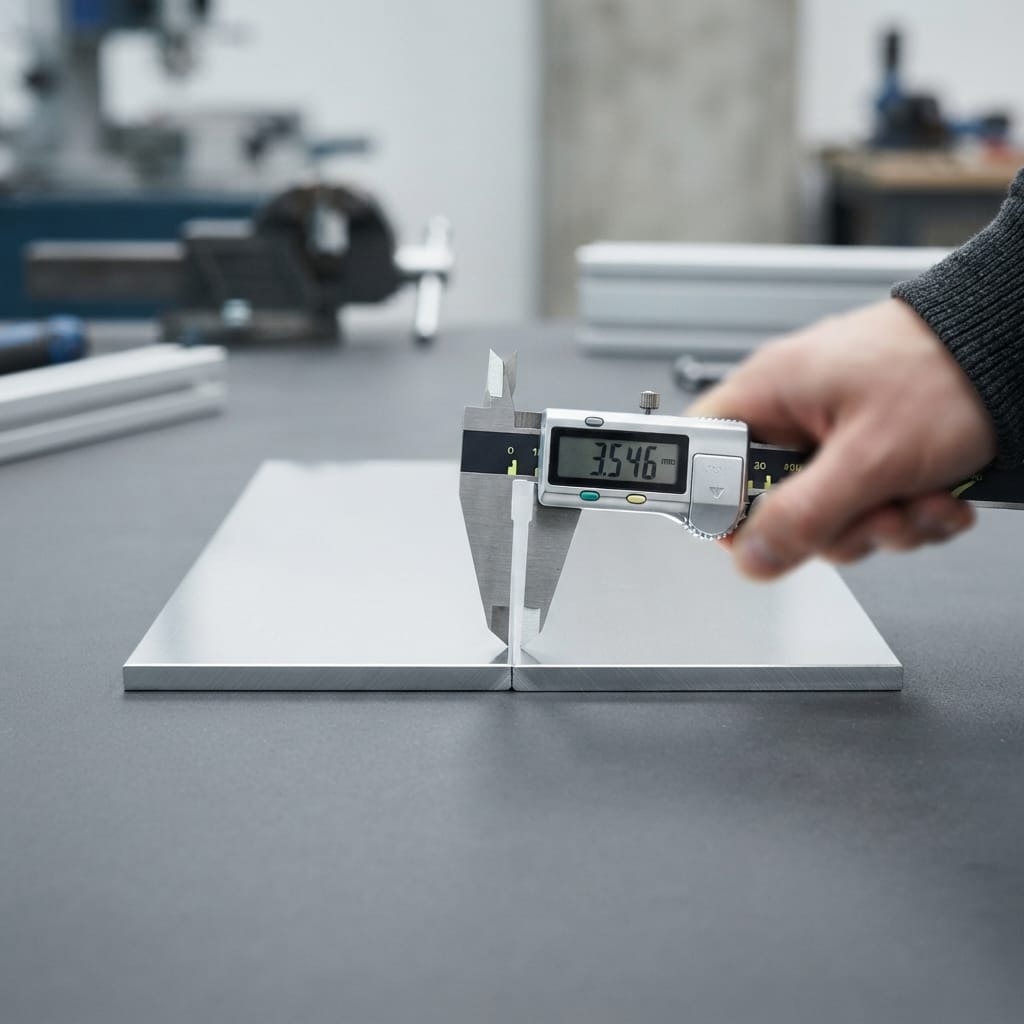
To document the quality of components seamlessly, companies are increasingly relying on inline-capable measurement methods. These systems measure the finished workpiece directly after the forming process, without the need for manual removal of the component. Such technologies allow deviations to be recognized immediately and to intervene in the ongoing process. Research on intelligent process monitoring sheds light on these methods..
Another building block for optimization is the use of a digital twin. This virtual model connects the CAD data with real process parameters and simulates the behavior of the workpiece before the actual bending process. Analyses of adaptive bending strategies emphasize the relevance of virtual process representations.. This allows potential sources of error to be identified already in the planning phase. However, practical experiences show that simulations can provide important benchmarks, but the physical reality at the machine can never be replaced one hundred percent. Wear on the tool or minimal lubricant residues on the sheet surface are theoretically difficult to represent accurately.
Interaction of various machining processes.
Bending rarely stands alone in the production chain. Before a flat semi-finished product takes on its three-dimensional shape, it usually goes through other manufacturing stages. Laser cutting often forms the first step to introduce precise contours and cutouts into the metals. Stamping is also used when specific hole patterns or cutouts are required in high quantities. After the actual forming, a targeted surface treatment often follows to ensure corrosion protection or achieve a specific optical feel.
The seamless integration of these technologies requires a continuous data basis from the initial design to the finished end product. When the individual stations communicate digitally with each other, throughput times can be shortened and buffer storage reduced. Industrial users benefit from the fact that complex assemblies can be manufactured on time and with high precision. Those who want to delve deeper into the various aspects of material forming will find valuable insights in this detailed overview of bending and edge bending of sheet profiles.
Economic aspects and technological limits
The investment in automated bending systems is a strategic step for many companies, but it requires careful calculation. While the acquisition costs can quickly pay off for large batch sizes due to high output volumes and reduced labor costs, the situation is different for small series or prototypes. Here, setup times for programming and tool changes often prevail, which is why conventional, manually operated machines still have their justification in this area.
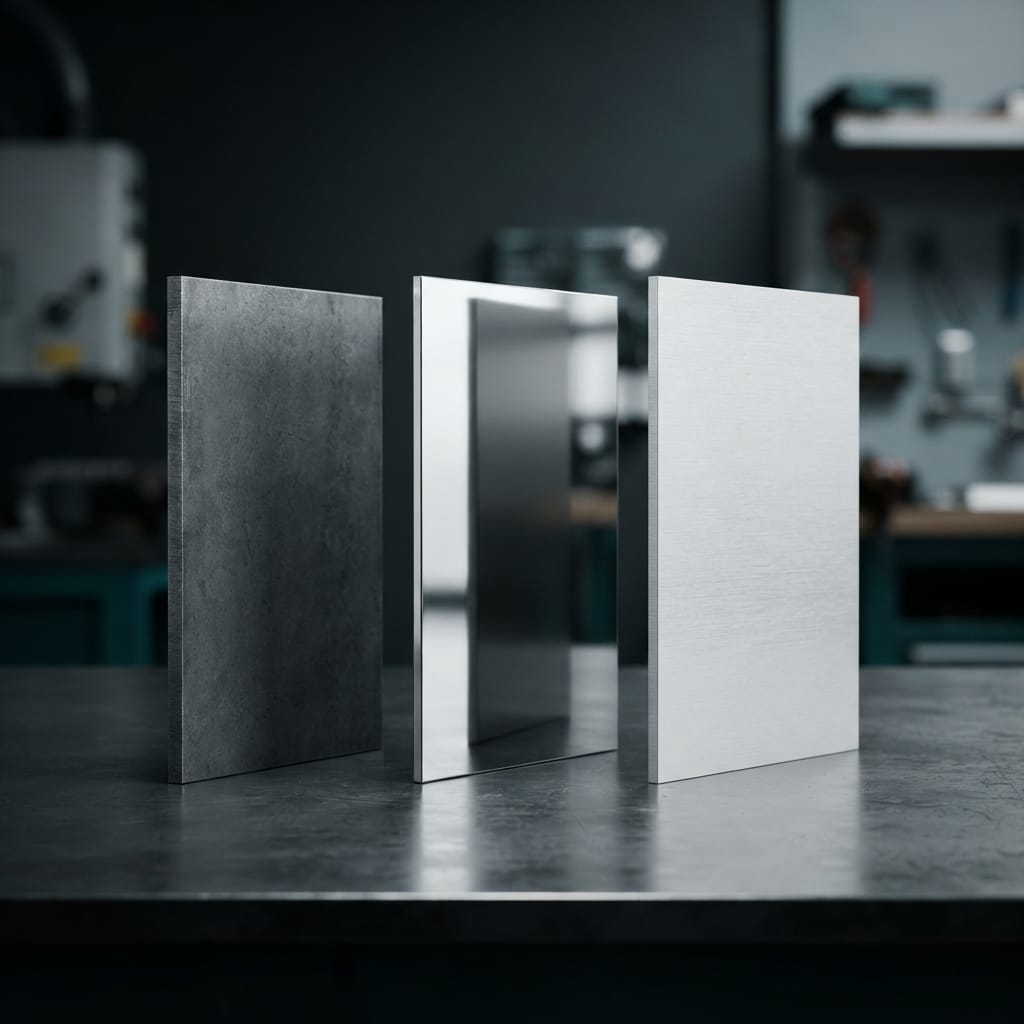
It should also be noted that automation does not guarantee absolute error-free operation. Mechanical limits of the material, such as the maximum elongation limit of certain alloys, impose tight constraints on the bending radius. If a certain radius is undershot, material cracks or unwanted deformations occur. Technological innovations can shift these physical hurdles, but not completely eliminate them. A well-founded work preparation remains essential to assess the feasibility of an order in advance and minimize economic risks. A practical overview of the various material grades and their specific behavior during further processing is provided in the technical information about the different sheet metal types for professional sheet metal processing and metalworking.
Future perspectives of sheet metal processing
The further development of forming technology is strongly influenced by advances in artificial intelligence and machine data collection. Future systems will be able to recognize patterns in process data even faster and make corrections independently before scrap is produced. The energy efficiency of the systems is also becoming more of a focus for the industry. Modern servo drives consume electricity only when the bending axis is actually moved, which reduces the ecological footprint of production.
Nevertheless, the metalworking industry remains a demanding environment where expertise and craftsmanship cannot be fully replaced by software. The combination of state-of-the-art equipment technology and qualified personnel forms the foundation for competitive manufacturing. Companies that consistently pursue this path secure significant long-term advantages in national and international competition. Those looking to specifically inform themselves about special application areas of forming can find information in specialized publications on bending and edging classic sheet steel on an industrial scale supplementary technical details.
Frequently asked questions about automated sheet bending
What advantages does automation offer in sheet bending compared to manual processes?
Automated systems take over the handling and alignment of workpieces fully automatically. This leads to higher repeat accuracy, consistent cycle times, and a noticeable relief for the operating personnel with heavy or unwieldy components.
How is the springback of the material compensated in automated bending machines?
Modern machines use mathematical models and adaptive control systems. These calculate the elastic springback behavior of the respective metal in advance and adjust the punch so that the desired target angle is precisely achieved.
What role does the digital twin play in sheet metal processing?
A digital twin simulates the entire forming process based on CAD data and machine properties in advance. This allows potential collisions, tool paths, and component deformations to be virtually checked before physical production starts.
Is automated bending also economically viable for small quantities?
In the case of very small batch sizes or individual parts, the setup and programming costs often do not relate economically to the benefits. In these cases, conventional, manually controlled machines usually operate more flexibly and cost-effectively.
What role do upstream and downstream processes play in sheet metal processing?
Bending is part of a process chain that usually begins with laser cutting or punching and is complemented by surface treatments. A seamless digital networking of these stations is crucial for smooth operations and short lead times.
For companies looking to specifically optimize their manufacturing processes, automated sheet bending represents an important building block. Through the close integration of precise equipment technology, digital process planning, and intelligent sensors, high-quality standards in industrial series production can be achieved.
To permanently meet the demands of modern industry, it is always worthwhile for industrial customers to closely coordinate with experienced service providers.
For a solid partnership in demanding projects, direct contact with DIVIKOM BlechProfis is recommended to discuss tailored solutions for your production requirements.
 German
 English