
Introduction to tube lasering
Tube lasering, an innovative method for processing tubes and profiles, has become a key technology in the manufacturing industry over the last few decades. Originally introduced in the 1960s, tube lasering today offers unrivalled precision and efficiency. By using advanced laser beams, complex shapes and designs can be cut with minimal material loss and high accuracy.
The importance of tube lasering in modern manufacturing cannot be emphasised enough. It not only enables faster production, but also the manufacture of complex and customised components that would be difficult or impossible to realise using traditional methods. This article examines the various facets of tube lasering, from the technical fundamentals and the numerous possible applications to the economic and future prospects of this fascinating technology.
Technical basics of tube lasering
A tube laser works by focussing a laser beam on the material to be processed, resulting in extremely precise cuts. The two main types of Laseringlasers used in industry are CO2 lasers and fibre lasers. CO2 lasers, which are based on carbon dioxide gas, are particularly effective when processing non-metallic materials and thick metal plates. Fibre lasers, on the other hand, use an optical fibre beam and are known for their higher efficiency and power when processing metals.
Technological advances have significantly increased the performance and application range of tube lasers. Modern machines offer advanced control software that enables precise programming and automation, further increasing productivity. In addition, the development of new laser sources and techniques has helped to further improve the application possibilities and efficiency of tube lasers.
Areas of application for tube lasering
Tube lasering is used in a variety of industries. In the automotive industry, it is used to manufacture components such as exhaust systems and chassis. In construction and architecture, tube lasering enables the creation of complex structures and designs that are both functional and aesthetically pleasing. In the medical device industry, tube lasering plays a key role in the manufacture of precise and safe instruments.
Tube lasering has also found its place in the furniture and design industry, as it enables the creation of customised and innovative designs. The flexibility and precision of tube lasering make it an indispensable technology in a variety of applications ranging from mass production to specialised one-offs.
Advantages of tube lasering
The advantages of tube lasering are numerous and varied. One of the biggest advantages is the precision that is achieved through the use of laser technology. This not only enables exact cuts, but also a high level of repeat accuracy. The efficiency and speed of tube lasering also help to reduce production times, which in turn lowers costs.
Another important advantage is flexibility. Tube lasers can process a variety of materials and thicknesses, making them an extremely versatile solution for different manufacturing requirements. In addition, tube lasering helps to save material, as the cuts are precise and material loss is minimised. This not only leads to cost savings, but is also more environmentally friendly.
Materials for tube lasering
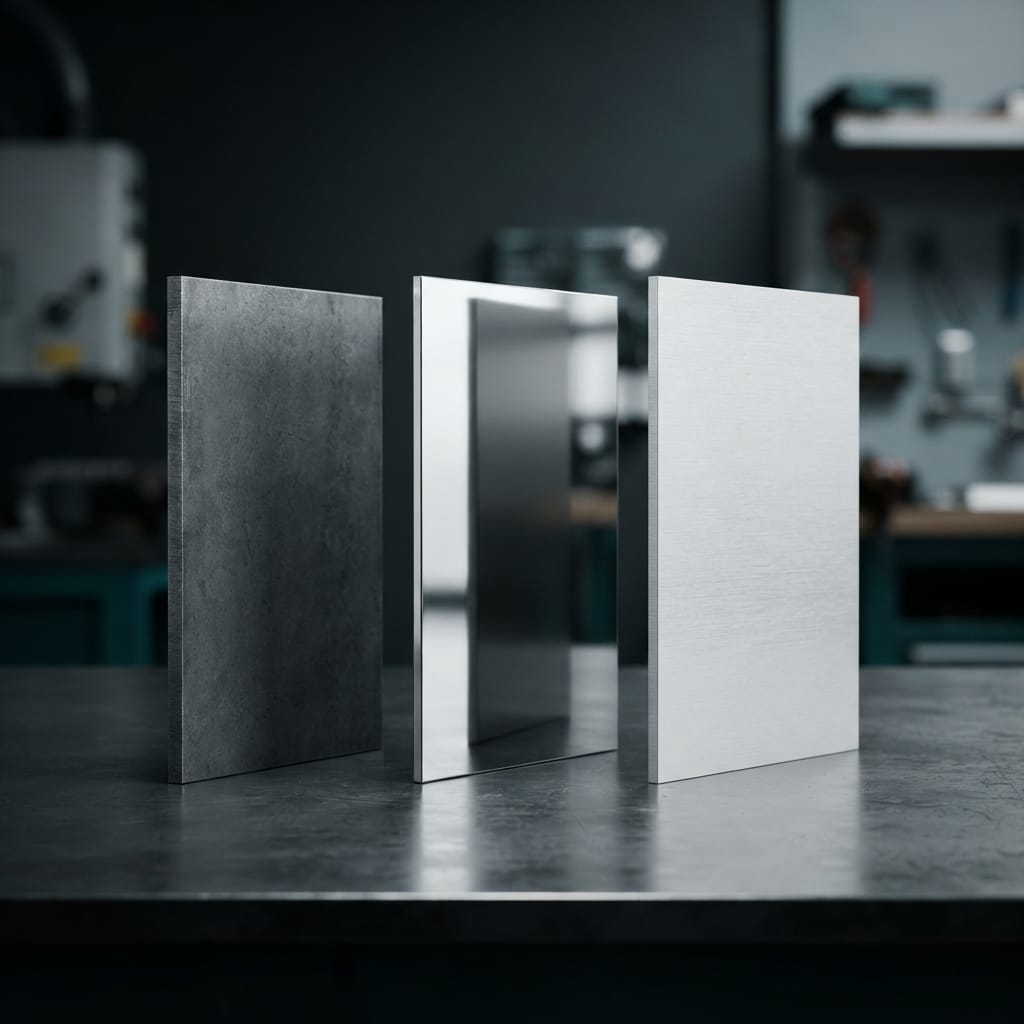
Tube lasers can process a wide range of materials, including both metallic and non-metallic materials. Commonly used metals include steel, aluminium and titanium, which due to their strength and durability are ideal for many applications. Non-metallic materials such as plastics and composites can also be cut using laser technology, further expanding the range of applications.
The Choosing the right material depends on the specific requirements of the project. Factors such as material thickness, desired precision and end application play a decisive role in deciding on the right material.

Equipment and machines for tube lasering
Choosing the right equipment is crucial to the success of pipe laser cutting. There are a variety of machine types that are optimised for different applications and materials. Leading manufacturers include companies such as Trumpf, Bystronic and Mazak, who have made a name for themselves with their advanced technologies and reliable machines.
Important selection criteria for the right equipment include The power of the laser, the size of the working area and the compatibility with different materials. Regular maintenance and care of the machines is also crucial to maximise their performance and service life.
Tube lasering process
The tube laser cutting process begins with careful planning and preparation. This includes selecting the right material, creating CAD drawings and programming the machine. Modern software solutions enable precise and efficient programming that optimises the entire cutting process.
Various techniques are used during the cutting process to achieve the best results. These include, among other things, continuous Cuttingthe pulsing of the laser beam and the use of different cutting speeds. After cutting, post-processing is carried out to ensure that the edges are clean and free of burrs. Quality control ensures that all components meet the required standards.
Safety aspects of tube lasering
Safety plays a central role in tube lasering. There are strict safety regulations and standards that must be observed in order to minimise the risk of accidents and injuries. These include the use of safety goggles, fume and dust extraction and regular maintenance and inspection of the machines.
Operator training is also crucial to ensure that they can operate the machines safely and efficiently. Regular safety checks and measures help to ensure a safe working environment.
Economic aspects of tube lasering
Pipe lasering requires a considerable initial investment, but this can be quickly amortised by the long-term savings and increased efficiency. Operating costs include energy consumption, machine maintenance and the cost of consumables such as cutting gas.
The market for tube lasers is growing steadily as more and more companies recognise the benefits of this technology. The demand for precise and customised components is increasing, leading to a further rise in demand for tube laser services.
The future of tube lasering
The future of tube lasering is promising, as new developments and innovations are constantly being introduced. Advances in laser technology, such as the development of more powerful and efficient laser sources, are helping to expand the range of applications. The integration of artificial intelligence (AI) and automation could further increase efficiency and accuracy and open up new areas of application.
Ongoing research and development in the field of tube lasering is expected to lead to further improvements and innovations that will expand and optimise production possibilities. This will not only increase production efficiency, but also improve the quality and precision of the manufactured components.
FAQ
What is tube lasering and how does it work?
Tube lasering is a method for the precise processing of tubes and profiles using a focussed laser beam that cuts the material.
Which materials can be processed with tube lasers?
A variety of materials, including metallic materials such as steel, aluminium and titanium as well as non-metallic materials such as plastics and composites.
What are the advantages of tube lasering compared to traditional cutting methods?
The benefits include greater precision, speed, flexibility, material savings and environmental friendliness.
What safety measures need to be observed during tube lasering?
Important measures include the use of safety goggles, fume and dust extraction and regular maintenance of the machines.
What does the future of tube lasering look like?
The future of tube lasering is characterised by technological advances, the integration of AI and automation as well as continuous research and development.

 German
 English