
Laser cutting is a revolutionary technology used in all industries, but that doesn't mean it can't be improved. To help you get the most out of this powerful tool, here are 10 tips to maximise your laser cutting performance and accuracy - from optimising material selection to adjusting cutting speeds for different tasks!

Here are 10 effective tips on how you can optimise your laser cutting processes
1. prepare materials correctly
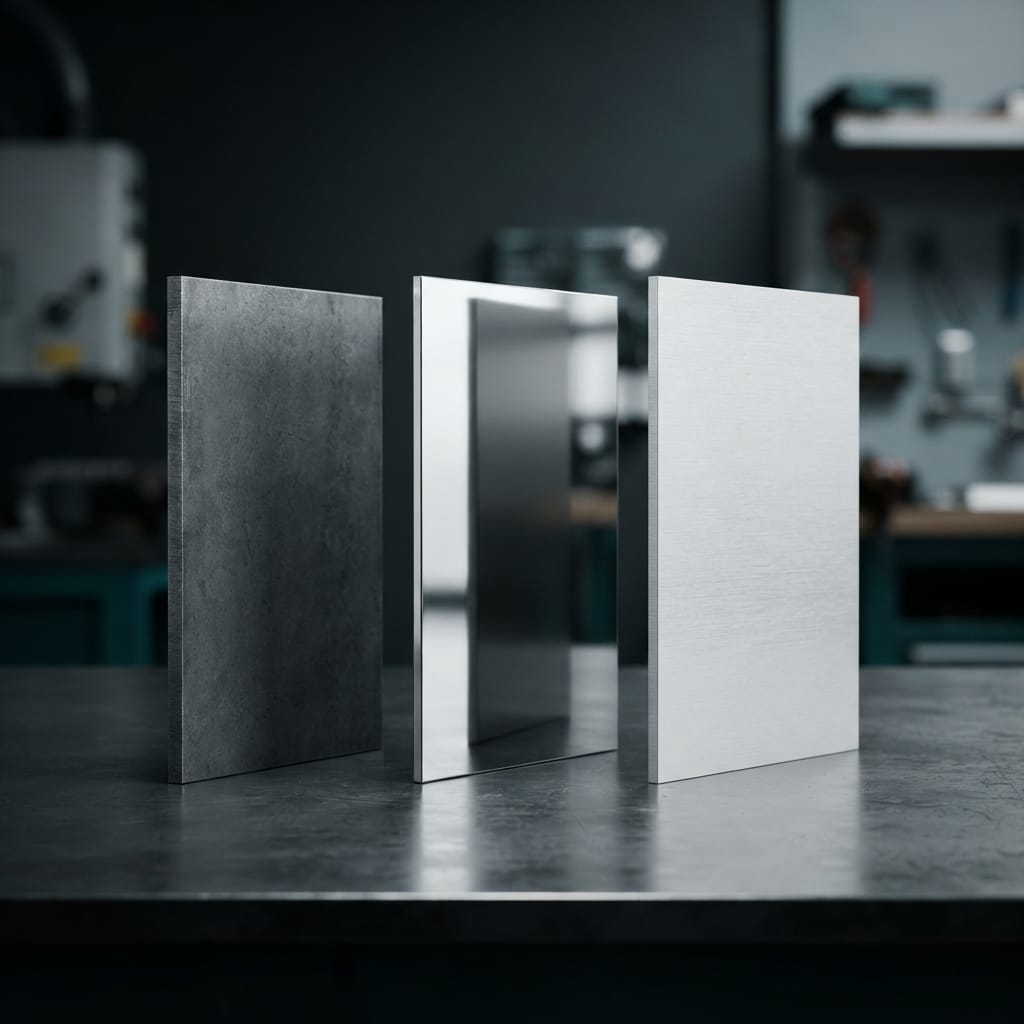
Preparing the materials is an important step to improve the quality of the cuts. Make sure the material is clean and free of dirt, grease or other contaminants. The surface should be dry to enable even cutting.
2. choosing the right focus
Choosing the right focus is important to achieve a clean and precise cutting edge. Experiment with different focus settings to achieve the best results.
3. use an appropriate cutting speed
Choosing the right Cutting speed of laser cutting is crucial to improve the quality of the cuts. If the cutting speed is too high, this can lead to excessive heat generation, which can result in deformation or cracks in the material. If the cutting speed is too low, this can lead to an unclean cutting edge.
4. use of assist gas
Assist gas can help to keep the cutting edge clean and precise. It can also help to minimise the effects of heat on the material and prevent deformation or cracking.
5. monitoring the performance of the machine
Monitoring the machine's performance is important to ensure that cuts are consistent and precise. Make sure the machine is well maintained and regularly check the cutting performance to detect problems early.
6. use the correct nozzle
Using the right nozzle can make a big difference to the quality of the cuts. Make sure that the nozzle is clean and free from contamination and select the correct nozzle size for the material being cut.
7. calibration of the machine
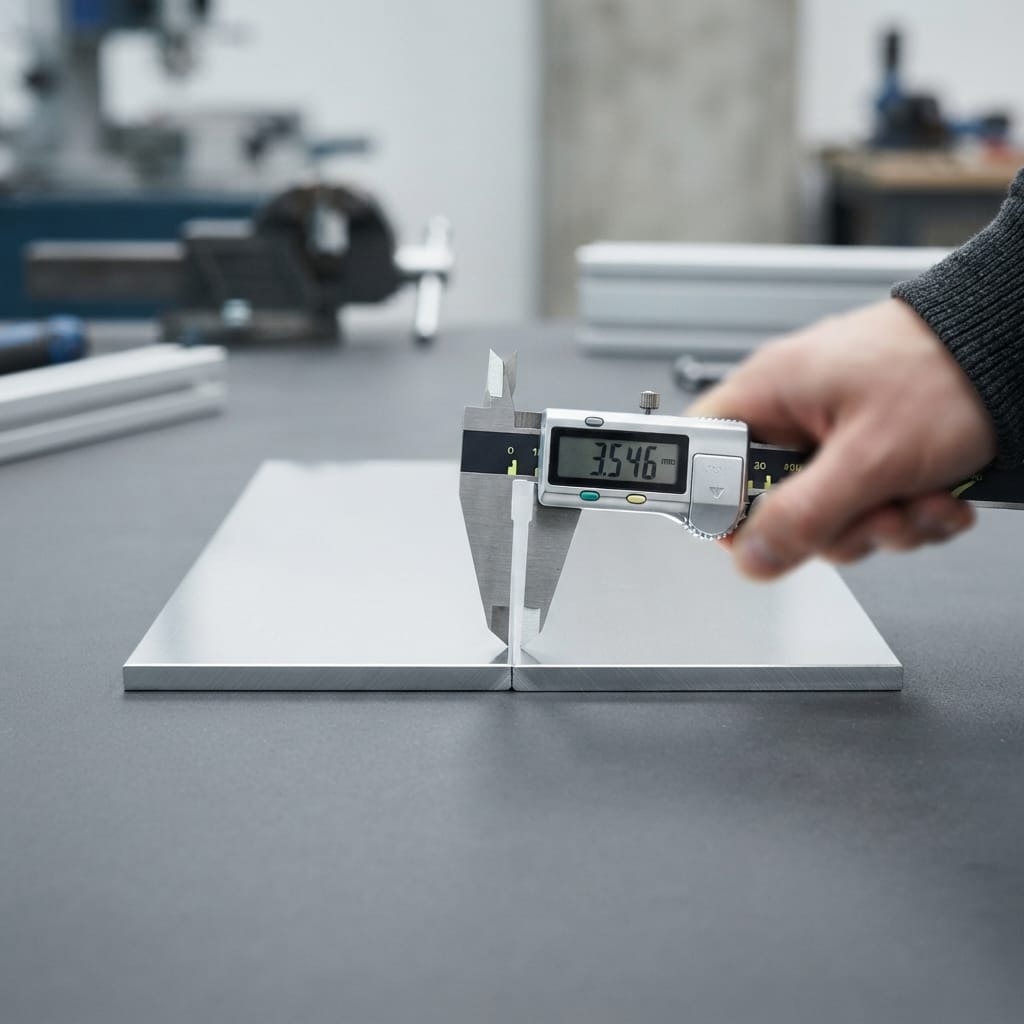
Correct calibration of the machine is essential to ensure high quality cuts. Ensure that the machine is correctly calibrated and check this regularly.
8. operator training
Good operator training is important to ensure that they can operate the machine effectively and safely. Train operators in best practices to ensure high quality cuts and to make sure they can properly maintain and clean the machine.
9. regular maintenance
Regular maintenance is an important factor in ensuring that the machine works reliably and delivers the best possible quality of cuts. Ensure that the machine is serviced regularly to minimise wear and damage.
10. use of automated systems
The use of automated systems can help to improve the efficiency of the laser cutting process and make the operator's job easier. Automated systems can help reduce cutting time while ensuring greater accuracy and consistency.
The Laser cutting offers countless industries an advanced, efficient way to perform precision cutting. To achieve the best possible results, you should regularly maintain and train your operators while using automated systems to streamline production and increase quality. By applying these strategies, you can look forward to more successful Laser cutting look forward to it!


 German
 English
2 responses
2D laser cutting is a high-precision manufacturing technique that is used in various industries. A laser beam is used to make precise cuts in flat materials such as metals, plastics or wood. This method makes complex shapes possible.
You're absolutely right, 2D laser cutting is an impressive technique known for its precision and flexibility. The ability to create complex shapes in a variety of materials such as metals, plastics and wood makes it a favoured method in many industries. Particularly noteworthy is the exact contour creation, which makes it possible to cut the finest details and intricate patterns. This precision makes a significant contribution to increasing efficiency and reducing costs in production.