
Why are lasers used for cutting?
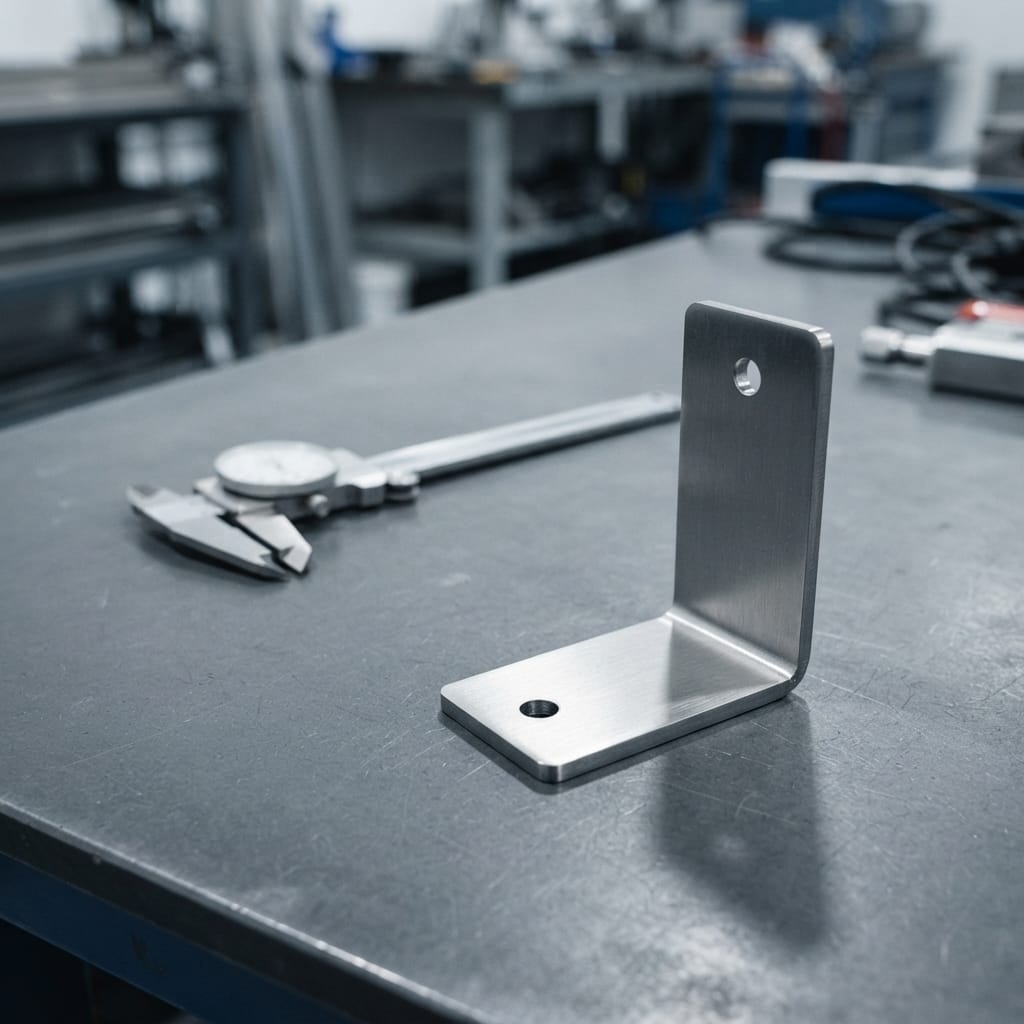
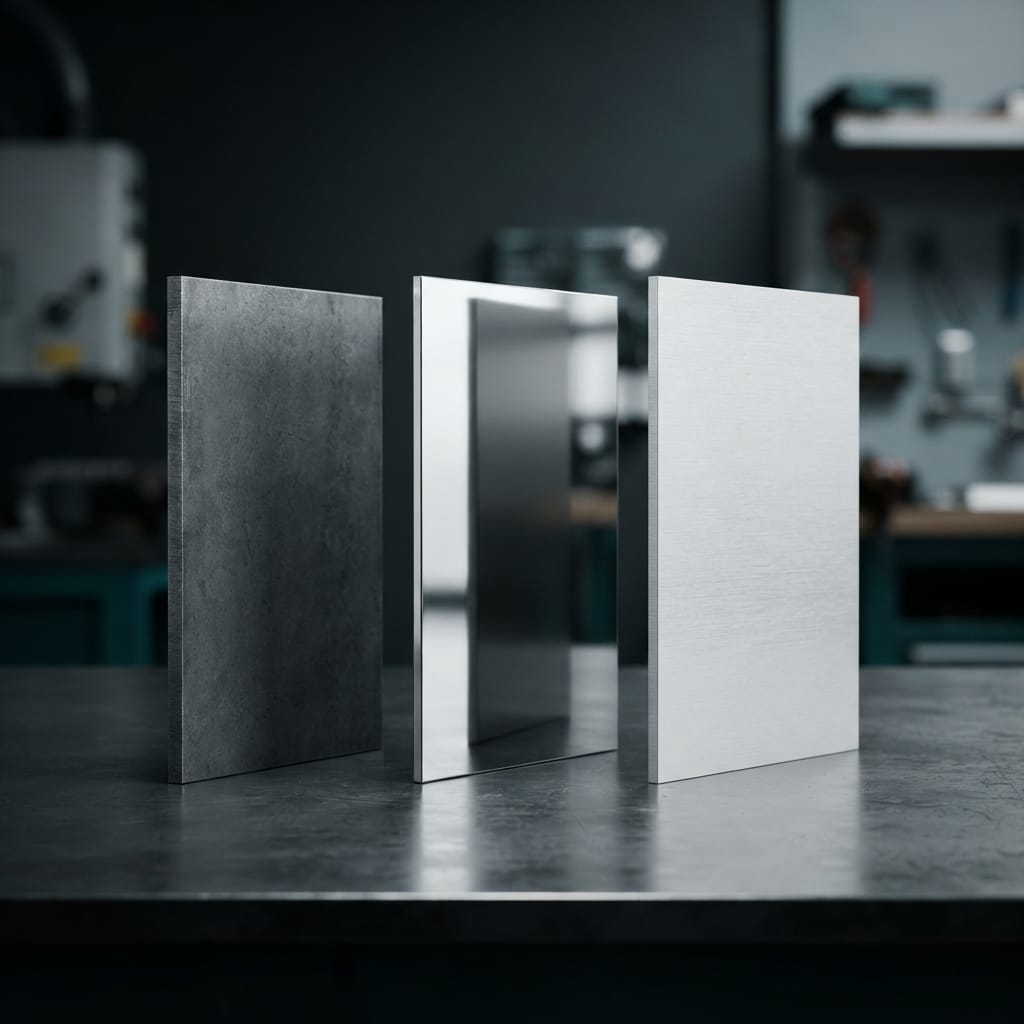
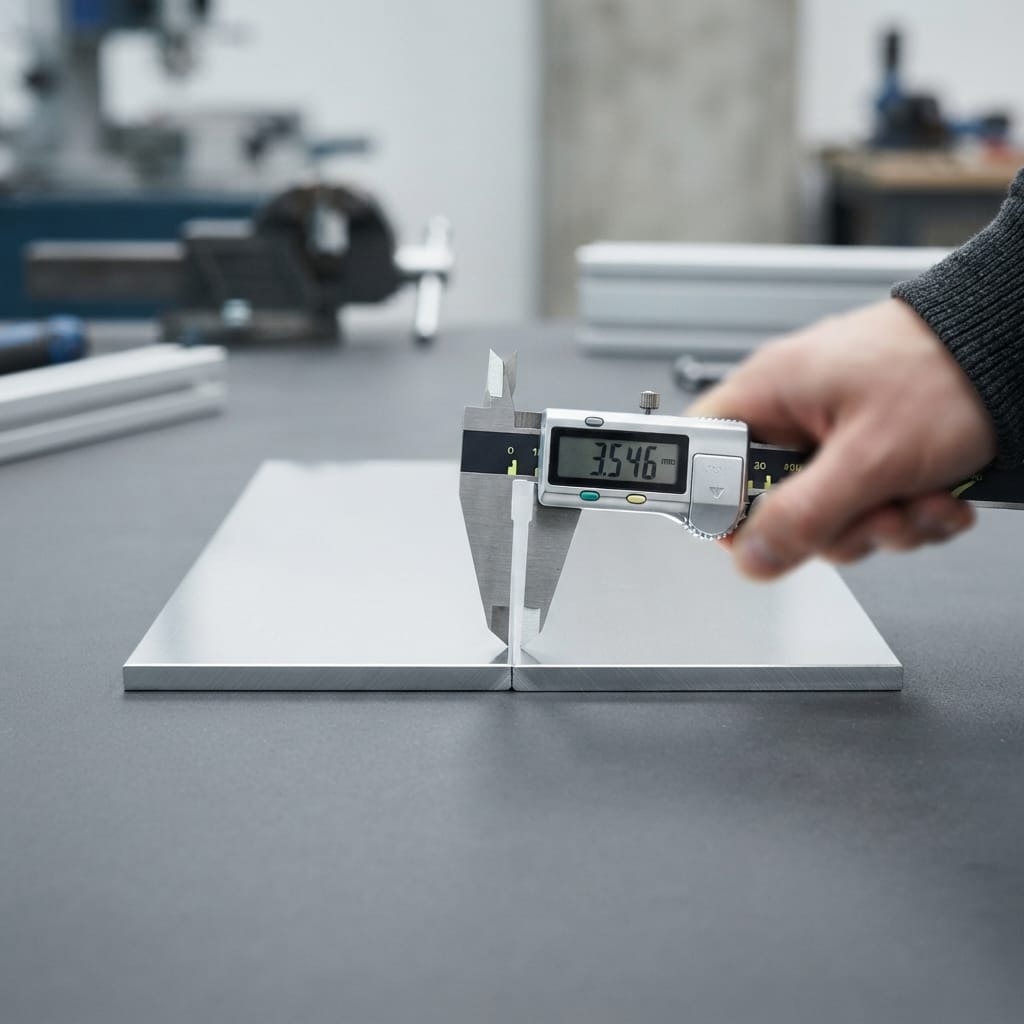
Lasers are used for many purposes. One area of application is the cutting of metal plates. For steel, stainless steel and aluminium sheets, the Laser cutting highly precise, delivers excellent cutting quality, has a very narrow cutting width and a small heat-affected zone and enables the cutting of very complicated shapes and small holes.
Most people already know that the word "LASER" is an acronym for Light Amplification by Stimulated Emission of Radiation. But how does light cut through a steel plate?

How does laser cutting work?
The laser beam is a light column with a very high intensity and a single wavelength or colour. In a typical CO2 laser, this wavelength is in the infrared range of the light spectrum and is therefore invisible to the human eye. The beam is only about 3/4 of an inch in diameter as it travels from the laser resonator, which generates the beam, through the beam path of the device. It can be deflected in various directions by a series of mirrors, known as "beam benders", before it is finally focussed on the plate. The focussed laser beam passes through the bore of a nozzle immediately before it hits the plate. A compressed gas, e.g. oxygen or nitrogen, also flows through this nozzle bore.
The laser beam can be focussed using a special lens or a curved mirror and takes place in the laser cutting head. The beam must be precisely focused so that the shape of the focal point and the energy density at this point are perfectly round and uniform and centred in the nozzle. By focussing the large beam on a single point, the heat density at this point is extremely high. Imagine using a magnifying glass to focus the sun's rays onto a leaf and being able to start a fire. Now imagine that you concentrate 6 KWatts of energy on a single point and you can imagine how hot this point will become.
The high power density leads to rapid heating, melting and partial or complete vaporisation of the material. When cutting Steel the heat of the laser beam is sufficient to initiate a typical "oxy-fuel" burning process, and the laser cutting gas is pure oxygen, just like an oxy-fuel torch. When cutting stainless steel or aluminium, the laser beam simply melts the material and the molten metal is blown out of the kerf under high pressure using nitrogen.
In a CNC laser cutter, the laser cutting head is moved over the metal plate in the shape of the desired part and cuts the part out of the plate. A capacitive height control system maintains a very precise distance between the end of the nozzle and the plate to be cut. This distance is important because it determines where the focal point is in relation to the surface of the plate. The cut quality can be influenced by raising or lowering the focal point from just above the surface of the plate, on the surface or just below the surface.
There are many other parameters that affect the quality of the cut, but if all of them are controlled correctly, the Laser cutting a stable, reliable and very precise cutting process.
.

 German
 English
One Response
Good to know how the work process works when lasering with the Co2 laser. I am interested in the storage process with water. It would be best to consult with a waterjet cutting company about my construction project.